
































As the demand for operational efficiency and better tenant experiences continues to rise, real estate companies are rapidly adopting modern digital solutions such as real estate software, property management systems, and real estate apps. In fact, the global property management software market is projected to grow from USD 29.19 billion in 2026 to USD 61.41 billion by 2034, exhibiting a CAGR of 9.70%.
This growth highlights how essential tools real estate management software have become for property owners, landlords, brokers, and enterprises looking to scale efficiently.
The real estate industry is undergoing a major digital transformation, and one of the most impactful innovations driving this change is property management software. From streamlining tenant communication to automating rent collection, maintenance requests, lease tracking, and reporting, property management software is helping real estate businesses operate faster, smarter, and more profitably.
Key Takeaways
- Property management software is transforming the real estate industry by automating daily operations
- Investing in real estate software improves tenant satisfaction and profitability
- The cost of developing a property management system depends on features and complexity
- Businesses need real estate management software to stay competitive in 2026
- Custom rental management software offers long-term scalability and flexibility
What is Real Estate Property Management Software?
Real estate property management software is a comprehensive real estate software solution that helps property owners, landlords, and agencies manage daily operations from a centralized platform. It acts as a powerful property management system that replaces manual processes like spreadsheets and paperwork with automated workflows.
Often integrated with a real estate CRM, this software simplifies tenant communication, financial tracking, and maintenance management. Whether accessed through a web platform or a real estate app, it enables businesses to manage properties more efficiently and deliver better tenant experiences.
- Centralized Property Management: Manage multiple properties and units from a single dashboard
- Tenant & Lease Management: Handle tenant records, lease agreements, and renewals efficiently
- Online Rent Collection: Enable secure payments through integrated systems
- Maintenance Management: Track and resolve maintenance requests in real time
- Financial Reporting: Monitor income, expenses, and profitability
- Document Management: Store contracts and important files securely
- Automation & Notifications: Automate reminders, alerts, and communication
Features of Real Estate Property Management Software
Modern property management software comes with advanced features that make it one of the best property management software solutions available today. When combined with a real estate CRM, it helps businesses manage properties, tenants, and leads more effectively.
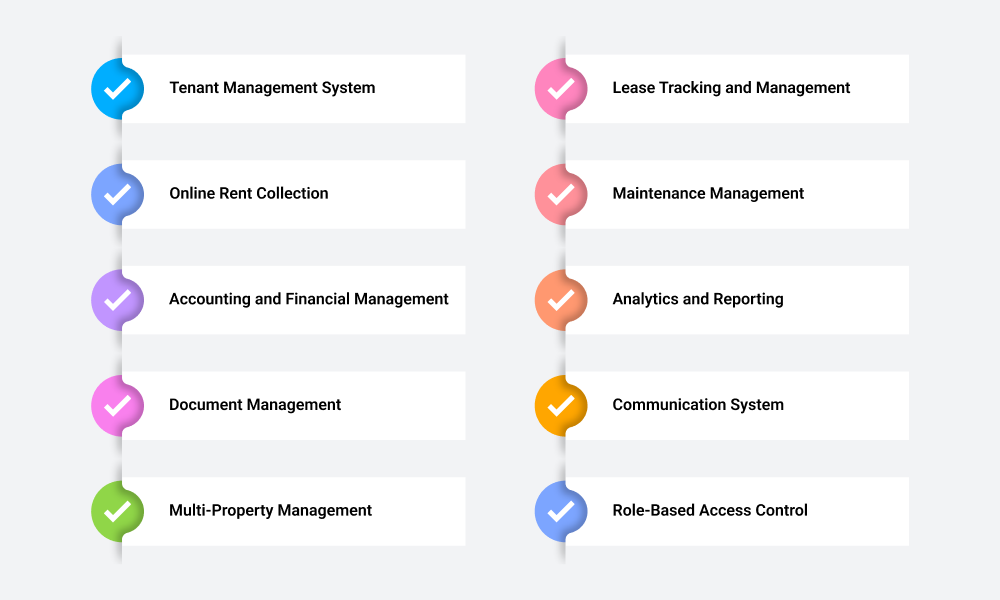
Tenant Management System
This feature helps manage tenant information, communication history, and lease records, ensuring better organization and improved relationships.
Lease Tracking and Management
Tracks lease timelines, renewal dates, and agreements, helping businesses avoid missed deadlines and manage contracts efficiently.
Online Rent Collection
Enables digital payments through integrated gateways, ensuring timely rent collection and improved cash flow management.
Maintenance Management
Allows tenants to submit requests while managers assign tasks and track progress, improving response time and satisfaction.
Accounting and Financial Management
Provides tools to manage income, expenses, and generate reports, ensuring financial accuracy and transparency.
Analytics and Reporting
Delivers insights into occupancy rates, revenue, and tenant behavior, helping businesses make data-driven decisions.
Document Management
Stores all important documents securely, reducing paperwork and improving accessibility.
Communication System
Improves interaction between tenants, managers, and vendors through automated notifications.
Multi-Property Management
Helps manage multiple properties from one dashboard, making it ideal for growing businesses.
Role-Based Access Control
Ensures secure access by assigning roles and permissions to different users.
Reasons to Invest in Property Management Software
In today’s fast-moving real estate market, efficiency, accuracy, and customer satisfaction have become critical for long-term success. Property owners, landlords, and real estate companies must manage operations smoothly while keeping tenants satisfied and maximizing returns. Property management software helps achieve these goals by simplifying processes and improving overall productivity.
Investing in property management software is not just about going digital - it is about building a scalable system that automates workflows, improves communication, and reduces operational costs. Businesses that adopt modern solutions are better positioned to grow and stay competitive.
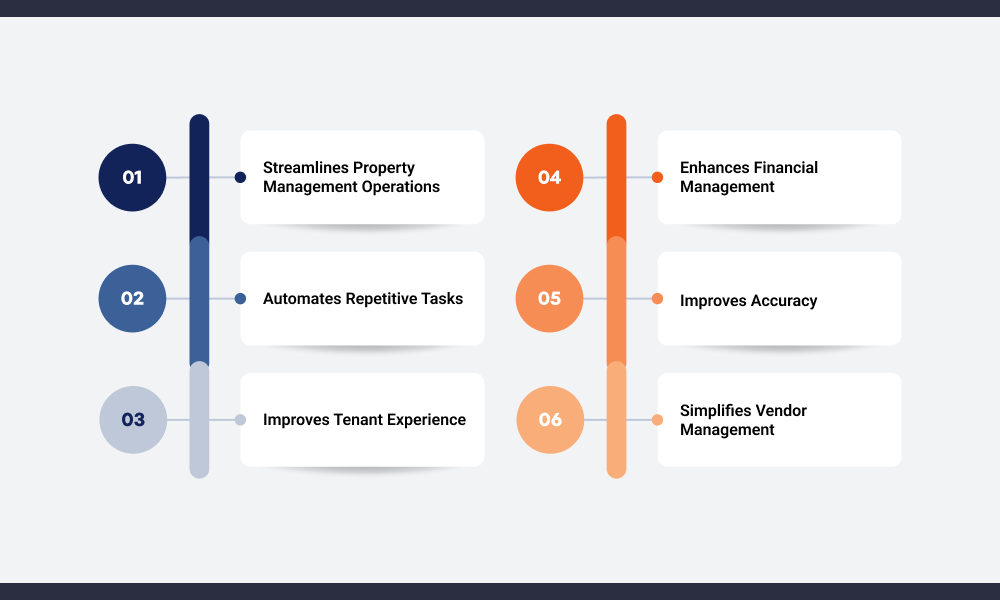
1. Streamlines Property Management Operations
Managing multiple properties manually can become complex and time-consuming. Property management software simplifies daily operations by bringing everything into one unified platform.
- Centralizes property, tenant, and lease data in one system
- Reduces dependency on manual spreadsheets and paperwork
- Improves coordination between different operational tasks
- Saves time by simplifying routine management activities
2. Automates Repetitive Tasks
Repetitive administrative tasks can slow down productivity and increase the chances of human error. Automation helps businesses work faster and more efficiently.
- Automates rent reminders, invoices, and due date tracking
- Reduces manual data entry and repetitive follow-ups
- Ensures consistency in routine processes
- Frees up time for strategic and high-value activities
3. Improves Tenant Experience
Providing a smooth and convenient experience for tenants is essential for retention and long-term success. Property management software enhances communication and accessibility.
- Enables online rent payments for convenience
- Offers tenant self-service portals for easy access
- Improves communication between tenants and managers
- Helps resolve issues faster, increasing tenant satisfaction
4. Enhances Financial Management
Managing finances manually can lead to errors and inefficiencies. Property management software provides better financial control and transparency.
- Tracks income, expenses, and overall cash flow
- Generates accurate financial reports and statements
- Helps identify revenue gaps and cost-saving opportunities
- Ensures consistent and timely rent collection
5. Improves Accuracy
Handling large volumes of data manually often results in mistakes. Property management software ensures accuracy through automation and structured workflows.
- Minimizes errors in rent calculations and financial records
- Standardizes processes across all properties
- Maintains accurate and up-to-date data in one place
- Reduces risks associated with manual management
6. Simplifies Vendor Management
Managing maintenance and vendors efficiently is crucial for property value and tenant satisfaction. Property management software simplifies this process.
- Allows tenants to submit maintenance requests online
- Helps categorize and prioritize maintenance issues
- Assigns tasks to vendors or internal teams efficiently
- Tracks progress and ensures timely issue resolution
How Much Does it Cost to Develop a Real Estate Property Management Software
The cost to develop a real estate property management software depends on the size of your platform, the number of features, the type of users (admins, tenants, landlords, vendors), and whether you want a web platform, mobile app, or both. If you need more advanced capabilities such as owner dashboards, automated invoicing, accounting integrations, payment gateways, AI-based analytics, document management, role-based access, or multi-property support, the development cost increases significantly.
The final budget is also affected by UI/UX design complexity, development team location, security requirements, cloud hosting, third-party integrations, and post-launch support. For businesses planning long-term growth, it is often smarter to start with an MVP and then scale the software in phases rather than building every feature at once.
Software Type | Estimated Cost (USD) | Ideal For | Key Features Included | Estimated Timeline |
|---|---|---|---|---|
Basic MVP Property Management Software | $15,000 – $30,000 | Startups, small landlords, small real estate firms | Property listing management, tenant profiles, lease tracking, rent records, basic maintenance requests, admin dashboard | 2 – 4 months |
Standard / Mid-Level Property Management Software | $30,000 – $80,000 | Growing real estate businesses, property managers | Everything in MVP + online rent payments, tenant portal, owner dashboard, notifications, reporting, document management, role-based access | 4 – 7 months |
Advanced Property Management Software | $80,000 – $150,000 | Mid-size to large property management companies | Multi-property support, vendor management, accounting integrations, advanced analytics, automation workflows, payment gateway, CRM/API integrations | 6 – 10 months |
Enterprise-Grade Property Management Platform | $150,000 – $250,000+ | Large real estate enterprises, proptech platforms | AI analytics, predictive maintenance, mobile apps (iOS/Android), IoT integrations, custom dashboards, cloud scalability, advanced security, multi-user roles, enterprise reporting | 9 – 15+ months |
How to Develop a Real Estate Property Management Software
Developing real estate property management software requires a strategic approach that combines business understanding, technical expertise, and user-focused design. The goal is to build a scalable and efficient platform that simplifies property operations, enhances tenant experience, and supports long-term business growth. Below are the key steps involved in developing a successful property management software solution:
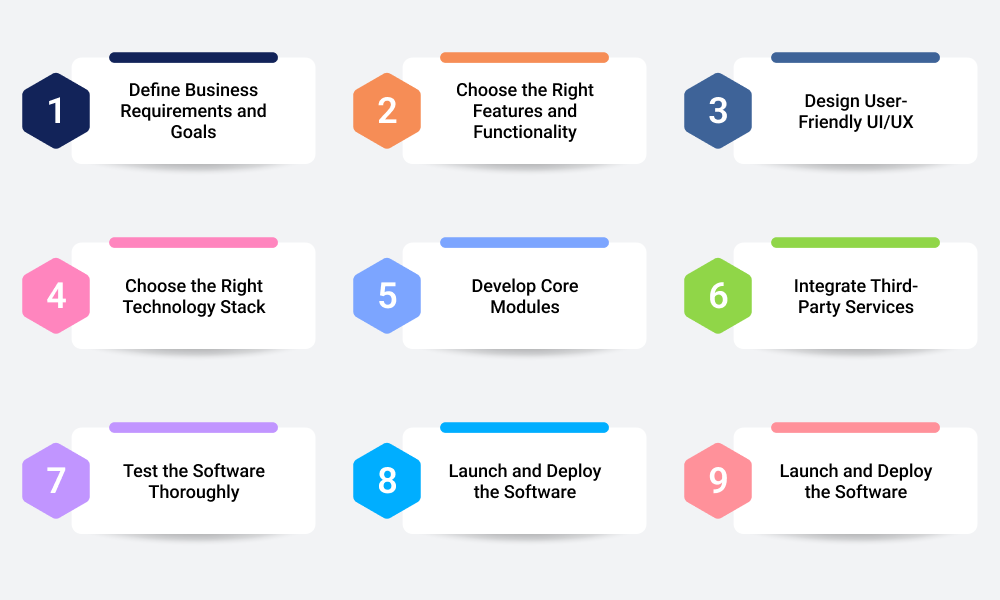
1. Define Business Requirements and Goals
Before starting development, it is important to clearly define your business objectives and target audience. This step ensures that the software aligns with your operational needs.
- Identify target users such as property managers, tenants, landlords, and vendors
- Define core features based on business requirements
- Analyze competitors and market trends
- Set clear goals for scalability and performance
2. Choose the Right Features and Functionality
Selecting the right set of features is crucial for building an effective and user-friendly platform. Start with essential features and expand over time.
- Include tenant management, lease tracking, and rent collection
- Add maintenance management and communication tools
- Plan for advanced features like analytics and automation
- Prioritize features for MVP (Minimum Viable Product)
3. Design User-Friendly UI/UX
A well-designed interface improves usability and enhances user experience. Both tenants and property managers should find the system easy to navigate.
- Create simple and intuitive dashboards
- Ensure smooth navigation across all modules
- Focus on mobile responsiveness and accessibility
- Design engaging and user-friendly interfaces
4. Choose the Right Technology Stack
Selecting the appropriate technologies ensures performance, security, and scalability of the software.
- Decide between web, mobile, or both platforms
- Choose reliable backend and frontend technologies
- Use secure cloud infrastructure for data storage
- Ensure integration capabilities with third-party tools
5. Develop Core Modules
This stage involves building the main functionalities of the software based on defined requirements.
- Develop modules for tenant and lease management
- Build payment and accounting systems
- Implement maintenance and vendor management features
- Create admin dashboards and reporting tools
6. Integrate Third-Party Services
Integrations enhance the functionality of your software and provide a seamless user experience.
- Integrate payment gateways for online transactions
- Add email and SMS notification services
- Connect accounting and CRM tools if required
- Enable document management and e-signature integrations
7. Test the Software Thoroughly
Testing ensures that the software is reliable, secure, and free from major bugs before launch.
- Perform functional and usability testing
- Conduct security and performance testing
- Fix bugs and optimize system performance
- Ensure smooth user experience across devices
8. Launch and Deploy the Software
Once testing is complete, the software is ready for deployment in a live environment.
- Deploy on a secure and scalable server
- Monitor performance after launch
- Provide user training and onboarding support
- Collect feedback for future improvements
9. Provide Ongoing Support and Updates
Post-launch support is essential to keep the software updated and competitive in the market.
- Regularly update features and functionalities
- Fix bugs and improve system performance
- Add new features based on user feedback
- Ensure data security and compliance with regulations
Why Real Estate Companies Need Property Management Software in 2026
As the real estate industry continues to evolve, the need for smarter, faster, and more efficient business operations has become more important than ever. In 2026, property management software is no longer just a helpful digital tool, it is becoming a core requirement for real estate companies that want to remain competitive, scalable, and customer-focused.
Property management software helps businesses centralize their operations, automate routine tasks, improve communication, streamline financial processes, and gain better control over their entire property portfolio. Whether a company manages residential apartments, commercial spaces, rental homes, co-living units, or mixed-use developments, having a reliable property management solution in place is essential for long-term success. Below are the key reasons why real estate companies need property management software in 2026:
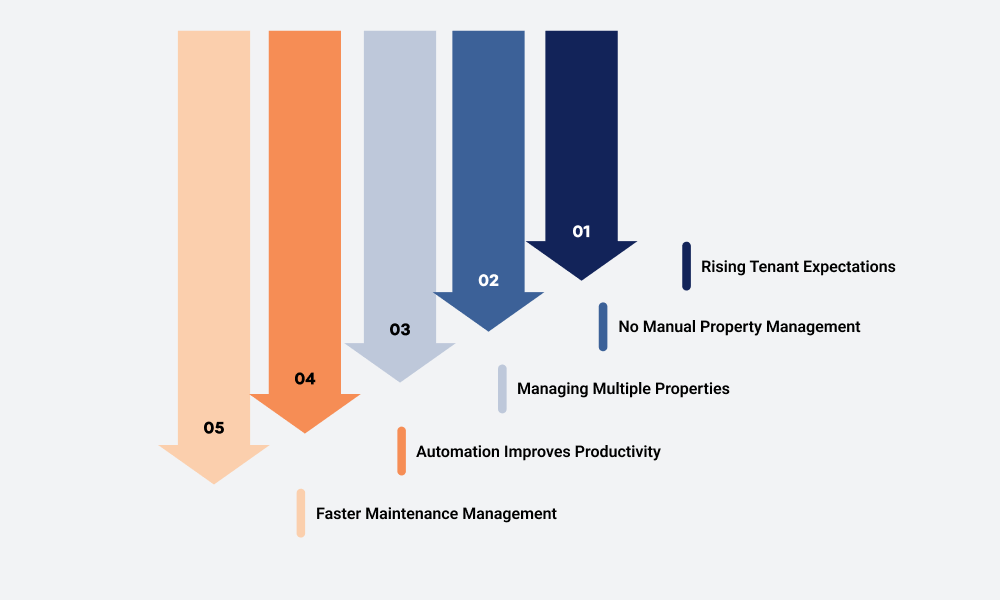
1. Rising Tenant Expectations
In 2026, tenants expect a seamless and digital-first experience when interacting with property owners and managers. They no longer want to rely on physical paperwork, repeated phone calls, or delayed responses for basic services. Modern tenants prefer convenience, speed, and transparency in every stage of the rental journey. When tenants can access services anytime and from anywhere, their overall experience improves significantly. This leads to higher satisfaction, stronger trust, and better tenant retention. In a competitive market, providing a smooth digital experience is one of the biggest differentiators for real estate companies.
2. No Manual Property Management
Traditional property management methods often involve disconnected systems, spreadsheets, paperwork, and multiple communication channels. While this approach may work for a small portfolio, it becomes inefficient and risky as the business grows.
In 2026, real estate businesses need operational efficiency to stay profitable. Property management software automates repetitive and time-consuming tasks, reducing the burden on staff and minimizing human error. This allows property managers to focus on strategic work such as tenant satisfaction, occupancy improvement, and business growth instead of spending hours on administrative work.
3. Managing Multiple Properties
Many real estate companies today manage multiple units across different locations, and this complexity continues to grow. Without a centralized system, tracking tenant records, rent schedules, maintenance requests, lease agreements, and financial performance can become extremely difficult. Property management software gives businesses a single, centralized dashboard where they can manage multiple properties and units, tenant information, and lease timelines. This centralized visibility helps real estate companies stay organized and maintain full control over their portfolio. It also improves coordination across departments and ensures that important information is always accessible when needed.
4. Automation Improves Productivity
One of the strongest reasons real estate companies need property management software in 2026 is the ability to automate key workflows. Automation saves time, improves accuracy, and significantly reduces operational overhead. Tasks that can be automated include rent reminders and late fee notifications, lease renewal alerts, invoice generation, and payment confirmations.
By reducing manual effort, companies can manage larger portfolios without proportionally increasing staffing costs. This creates a more scalable business model and improves profit margins over time.
5. Faster Maintenance Management
Maintenance is one of the most important aspects of property management, and poor handling of maintenance requests can directly affect tenant satisfaction and property value. In 2026, tenants expect fast responses, real-time updates, and efficient issue resolution.
Property management software streamlines maintenance operations by allowing tenants to submit requests online, attach photos, track progress, and receive updates. Property managers can assign tasks to vendors or internal staff, prioritize urgent requests, and monitor completion timelines. Efficient maintenance management not only enhances tenant retention but also helps preserve the long-term value of real estate assets.
Technologies Used for Property Management Platforms
Building a modern property management platform requires a combination of reliable and scalable technologies to ensure smooth performance, security, and a seamless user experience. The right tech stack helps in managing operations efficiently while supporting future growth.
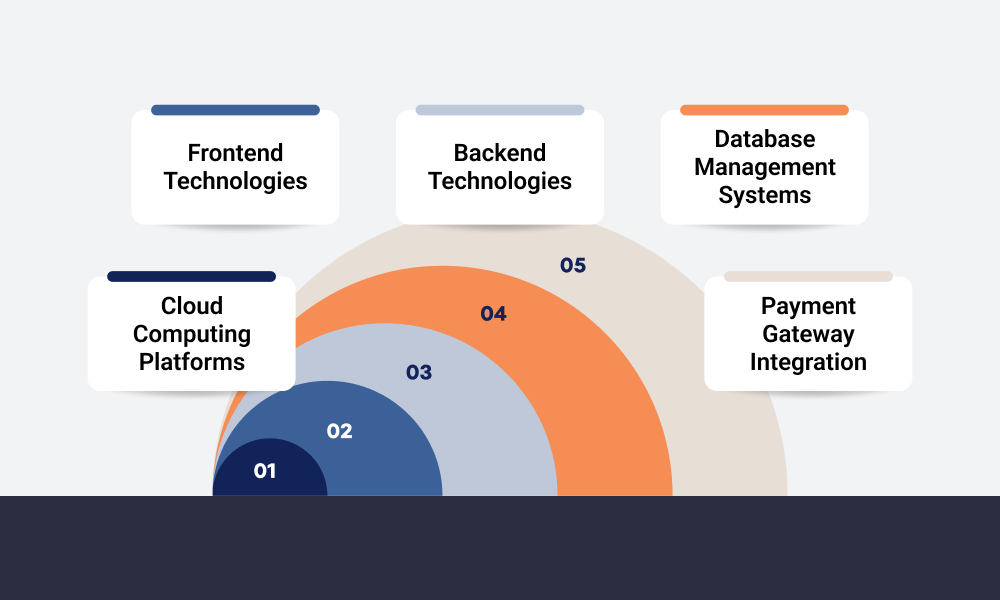
1. Frontend Technologies
Frontend technologies like React, Angular, and Vue.js are used to build interactive and responsive user interfaces. They ensure smooth navigation, faster loading times, and an engaging experience for both property managers and tenants.
2. Backend Technologies
Backend technologies such as Node.js, Python (Django), and PHP (Laravel) manage the core functionality of the platform. They handle business logic, data processing, and ensure secure communication between the server and users.
3. Database Management Systems
Databases like MySQL, PostgreSQL, and MongoDB are used to store and manage large volumes of data. They ensure data accuracy, quick retrieval, and secure handling of tenant, property, and financial information.
4. Cloud Computing Platforms
Cloud services such as jiWebHosting, AWS, Microsoft Azure, and Google Cloud provide scalable infrastructure and secure hosting. They allow the platform to handle increasing users, ensure data backup, and maintain high availability.
5. Payment Gateway Integration
Payment gateways like Stripe, PayPal, and Razorpay enable secure online transactions. They allow tenants to pay rent digitally, automate payment tracking, and ensure smooth and reliable financial operations.
Choose ToXSL Technologies for Real Estate Property Management Software
Selecting the right development partner is just as important as choosing the right technology for your property management platform. At ToXSL Technologies, we specialize in building scalable, secure, and feature-rich real estate software tailored to your business needs. With our deep industry expertise and customer-focused approach, we help real estate businesses streamline operations, enhance tenant experiences, and achieve long-term growth.
- Customized Software Solutions: We design and develop property management software tailored to your unique business model, ensuring the platform aligns perfectly with your operational requirements.
- Experienced Development Team: Our skilled developers, designers, and project managers bring years of experience in delivering high-quality real estate and enterprise software solutions.
- Scalable and Future-Ready Platforms: We build solutions that can easily scale as your business grows, supporting multiple properties, users, and advanced functionalities without performance issues.
- Advanced Technology Stack: We use modern technologies, frameworks, and tools to ensure high performance, security, and seamless user experience across web and mobile platforms.
- End-to-End Development Services: From idea validation and UI/UX design to development, testing, deployment, and post-launch support, we provide complete development services under one roof.
- Ongoing Support and Maintenance: Our team ensures your software stays updated, secure, and optimized with continuous support, regular updates, and performance enhancements.
Conclusion
At ToXSL Technologies, we believe that property management software is redefining the future of real estate by making operations more efficient, tenant experiences more seamless, and business growth more scalable. As the real estate industry becomes increasingly competitive and digitally driven, investing in a robust property management solution is no longer just a smart choice, it is a strategic necessity.
Whether you are a property owner, real estate startup, property management company, or enterprise-level real estate business, the right software can help you automate workflows, improve cash flow, simplify maintenance management, and make data-driven decisions with confidence.
If you are planning to build a custom real estate property management software solution, ToXSL Technologies can help you transform your vision into a powerful, secure, and scalable digital platform tailored to your business needs. Our expert development team delivers innovative real estate software solutions designed to improve efficiency, enhance user experience, and support long-term success in the evolving property market. Contact us to learn more.
Frequently Asked Questions
1. How does a real estate CRM enhance property management software?
A real estate CRM plays a crucial role by managing customer relationships, leads, and communication within the property management system. It complements operational features with sales and engagement capabilities.
- Centralizes tenant and lead information in one platform
- Tracks interactions and improves follow-up efficiency
- Enhances lead conversion for real estate businesses
- Integrates seamlessly with property management workflows
2. What makes a platform the best property management software?
The best property management software combines advanced features, ease of use, and scalability to meet business needs. It should support both operational efficiency and long-term growth.
- Offers user-friendly interface and smooth navigation
- Provides automation for repetitive tasks
- Supports integration with third-party tools and CRMs
- Ensures data security and high system performance
3. How secure is modern property management software?
Security is a top priority in modern property management systems, as they handle sensitive financial and tenant data. Advanced technologies ensure data protection and compliance.
- Uses encryption protocols to secure data
- Implements role-based access control
- Supports secure payment gateway integrations
- Ensures compliance with data protection regulations
4. What are the long-term benefits of investing in property management software?
Investing in property management software offers long-term value by improving efficiency, reducing costs, and enhancing tenant satisfaction.
- Increases operational efficiency and productivity
- Reduces administrative and operational costs
- Improves tenant retention and satisfaction
- Supports data-driven decision-making
5. How long does it take to develop property management software?
The development timeline for property management software depends on the complexity, features, and platform requirements. A basic solution can be built faster, while advanced systems require more time for development and testing.
- Basic MVP development typically takes 2–4 months
- Mid-level software with integrations may take 4–6 months
- Advanced platforms with AI and CRM can take 6–9+ months
- Timeline depends on features, team size, and customization level
6. How is AI used in property management software?
Artificial Intelligence (AI) is transforming property management software by enabling smarter automation, predictive insights, and improved decision-making. It helps businesses optimize operations and enhance tenant experiences.
- Predicts tenant behavior and potential churn
- Automates customer support with AI chatbots
- Provides smart pricing and rental recommendations
- Analyzes data for better investment and operational decisions