








































The global mobility landscape is evolving at an impressive pace, fueled by digital innovation and changing consumer preferences. As people increasingly prioritize convenience, flexibility, and on-demand services, the car rental industry is stepping into a new era of growth and transformation. In fact, the global car rentals market is projected to reach US$112.00 billion by 2026, reflecting the rising demand for smart and accessible transportation solutions.
What makes this growth even more compelling is its consistency. With an expected annual growth rate of 4.93% between 2026 and 2030, the market is set to expand further, reaching an estimated US$135.75 billion by 2030. This steady upward trajectory highlights a clear shift toward digital-first experiences, where technology plays a central role in how users discover, book, and manage rental services.
In this blog, we will explore everything you need to know about building a car rental application, including development costs, influencing factors, and why partnering with a reliable Car Rental App Development company can make all the difference.
Key Takeaways
- The rise of digital platforms and models like uber car rental has increased the demand for modern, user-friendly car rental apps.
- The cost of car rental app development can range from $15,000 to $100,000+, depending on features, design, and scalability.
- Features like real-time booking, GPS tracking, secure payments, and analytics are crucial for a competitive car hire app.
- Platform choice, UI/UX design, technology stack, and the expertise of the Car Rental App Development company significantly impact overall cost.
- A well-developed car app rental platform improves customer experience, increases revenue, and provides a strong competitive edge in the market.
What is a Car Rental App?
A car rental app is a mobile or web-based platform that allows users to book vehicles for short-term or long-term use. These apps connect customers with car owners or rental agencies, enabling seamless booking, payment, and tracking.
Modern apps go beyond simple bookings. They include features like GPS tracking, real-time availability, digital payments, and AI-based recommendations—similar to platforms inspired by uber car rental services.
How Does a Car Rental App Work: The Business Model
Car rental apps don’t rely on just one way of making money - they combine multiple business models to ensure steady revenue, scalability, and market competitiveness. The choice of model depends on your target audience, fleet ownership, and level of control over operations. Here’s a clear explanation of the most common business models used in car rental apps:
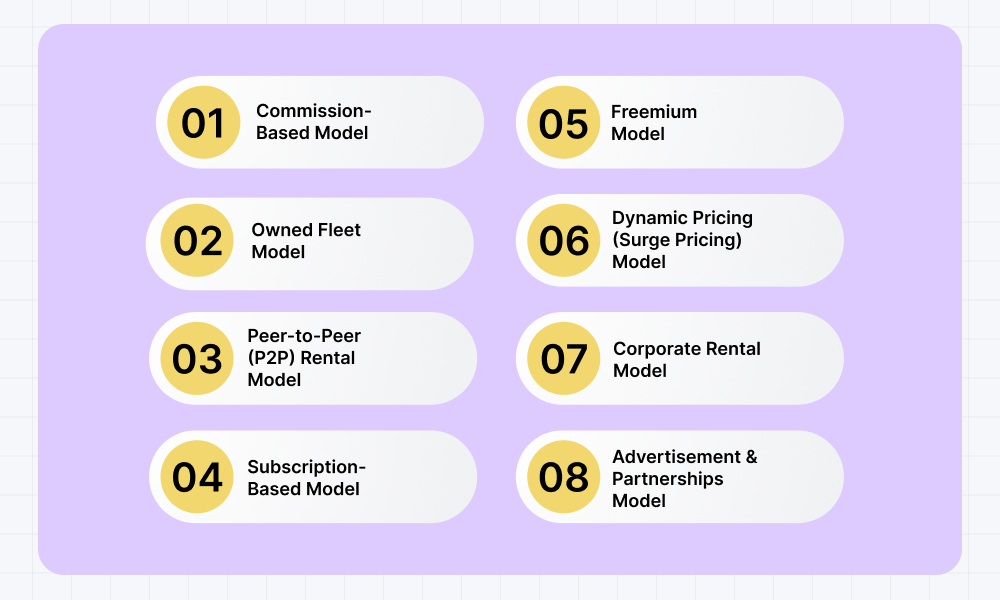
Commission-Based Model:
In this model, the platform connects car owners or rental companies with users and charges a commission on every booking. The app itself doesn’t own vehicles, which reduces operational costs. This model is widely used by platforms inspired by uber car rental, making it scalable and low-risk.
Owned Fleet Model:
Here, the company owns and manages its own fleet of vehicles. Revenue is generated directly from rental charges. While this model requires higher investment in vehicles, maintenance, and operations, it offers better control over pricing, quality, and customer experience.
Peer-to-Peer (P2P) Rental Model:
This model allows individual car owners to rent out their vehicles to others through the platform. The app acts as a marketplace and earns through commissions or service fees. It increases vehicle availability without requiring the company to own assets.
Subscription-Based Model:
Users pay a fixed monthly or weekly fee to access vehicles without traditional booking hassles. This model ensures recurring revenue and is ideal for customers who need cars frequently. It also improves customer retention and predictable income.
Freemium Model:
Basic app features are offered for free, while advanced services like premium vehicles, priority booking, or zero-deposit rentals come at an additional cost. This model attracts a large user base and monetizes through upgrades.
Dynamic Pricing (Surge Pricing) Model:
Pricing changes based on demand, location, time, and availability. During peak hours or high demand, prices increase, helping maximize revenue. This model is commonly used in apps similar to uber car hire.
Corporate Rental Model:
Businesses partner with car rental platforms for employee transportation needs. Companies are billed on a contract or usage basis. This model ensures bulk bookings and long-term revenue stability.
Advertisement & Partnerships Model:
The app generates additional income by displaying ads, promoting third-party services (like insurance, fuel, or travel packages), or partnering with related businesses. This creates an extra revenue stream beyond bookings.
How much does it cost to develop a car rental app?
The cost to develop a car rental app can vary widely depending on your business goals, feature requirements, and the level of complexity you want to achieve. A basic car hire app with essential functionalities like user registration, car listings, and booking options will cost significantly less than a fully advanced platform similar to uber car rental.
On average, car rental app development can cost anywhere between $15,000 to $100,000+. The final price depends on factors such as design quality, number of features, development platform (Android, iOS, or both), and the expertise of the Car Rental App Development company you choose.
If you're planning to build a scalable and feature-rich car app rental solution with real-time tracking, AI-based recommendations, and secure payment integration, the investment will be on the higher side. However, this investment often results in better user engagement, higher revenue, and long-term business growth.
App Type | Features Included | Estimated Cost | Development Time |
|---|---|---|---|
Basic App | Login, car listing, search, booking | $15,000 – $25,000 | 2–3 months |
Standard App | Payment integration, notifications, GPS tracking | $25,000 – $50,000 | 3–6 months |
Advanced App | AI features, analytics dashboard, real-time tracking | $50,000 – $100,000+ | 6–9 months |
Uber-like Platform | Full automation, multi-panel system, live ride tracking | $80,000 – $150,000+ | 9+ months |
Factors Affecting Car Rental App Development Cost
The cost of building a car rental app is not fixed, it depends on multiple technical and business-related factors. Whether you're planning a simple car hire app or a complex platform, understanding these cost drivers helps you plan your budget effectively.
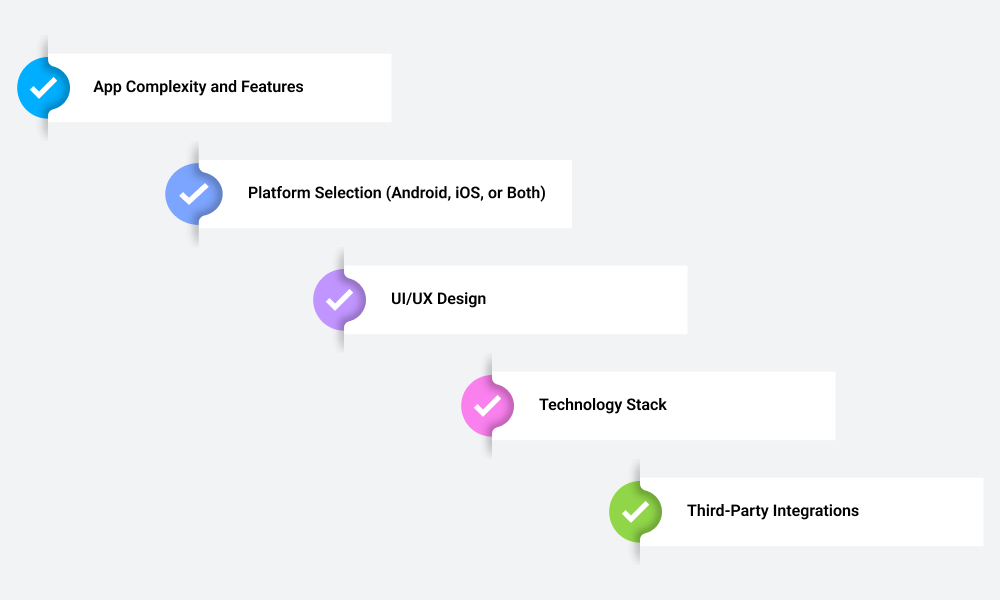
1. App Complexity and Features
The more advanced your app, the higher the development cost. A basic car app rental with limited features will cost less, while adding functionalities like real-time tracking, AI-based suggestions, and automation increases the overall expense.
2. Platform Selection (Android, iOS, or Both)
Developing an app for a single platform is more affordable than building for both Android and iOS. However, cross-platform development can optimize costs while reaching a wider audience.
3. UI/UX Design
A visually appealing and user-friendly design plays a crucial role in user engagement. High-quality UI/UX design requires more time and expertise, which can increase the cost of car rental app development.
4. Technology Stack
The choice of programming languages, frameworks, and tools affects both development cost and performance. Advanced technologies may require skilled developers, increasing overall expenses.
5. Third-Party Integrations
Integrating services like payment gateways,GPS tracking, maps, and push notifications adds to the cost. These integrations are essential for a modern car rental app, but they come with additional development and maintenance expenses.
Must Have Features of Car Rental App
A well-structured car rental app is built to serve three main user groups - Passengers (Customers), Drivers, and Admin. Each group requires a specific set of features to ensure smooth functionality, seamless experience, and efficient management. Below is a clear breakdown of must-have features for each type:
For Passengers
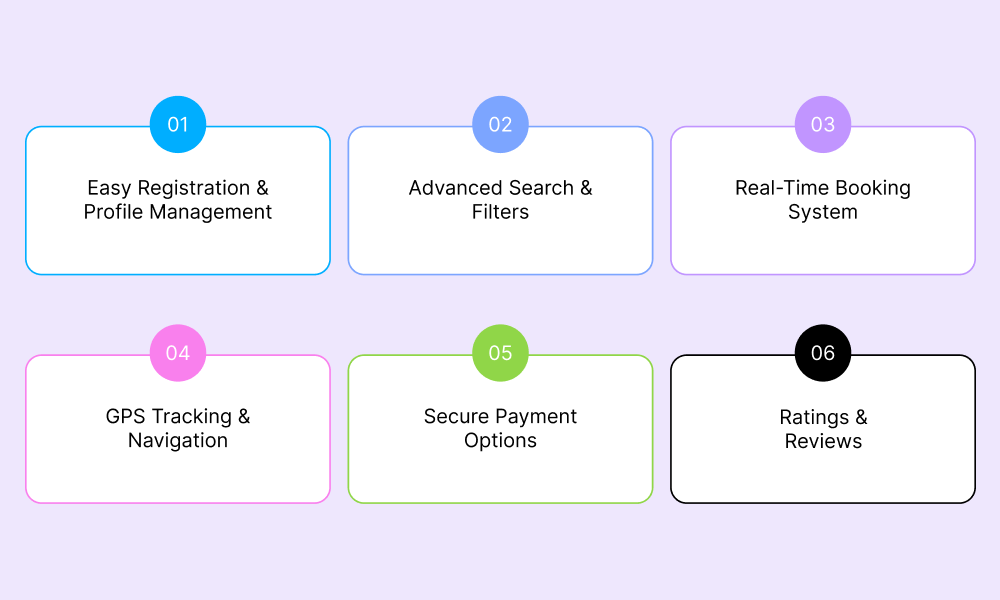
1. Easy Registration & Profile Management
A simple onboarding process ensures users can quickly start using the app without friction.
- Sign up via email, phone number, or social media
- Manage personal details and upload documents
- Save preferred payment methods
- Access booking history and profile settings
2. Advanced Search & Filters
Helps users find the most suitable vehicle based on their needs.
- Filter by car type, price, location, and availability
- Sort results by ratings or distance
- Real-time availability updates
- Personalized recommendations
3. Real-Time Booking System
Allows users to book vehicles instantly with complete transparency.
- Instant booking and confirmation
- Schedule rides in advance
- Easy booking modification or cancellation
- Clear pricing breakdown
4. GPS Tracking & Navigation
Enhances convenience and safety with location-based services.
- Real-time vehicle tracking
- Integrated maps for navigation
- Route optimization
- Location sharing options
5. Secure Payment Options
Ensures smooth and safe financial transactions.
- Multiple payment methods (cards, wallets, UPI)
- Encrypted transactions
- Automatic billing and invoices
- Refund management system
6. Ratings & Reviews
Builds trust and improves decision-making.
- Rate cars and services
- Write and read user reviews
- Helps choose reliable vehicles
- Improves service quality
For Drivers
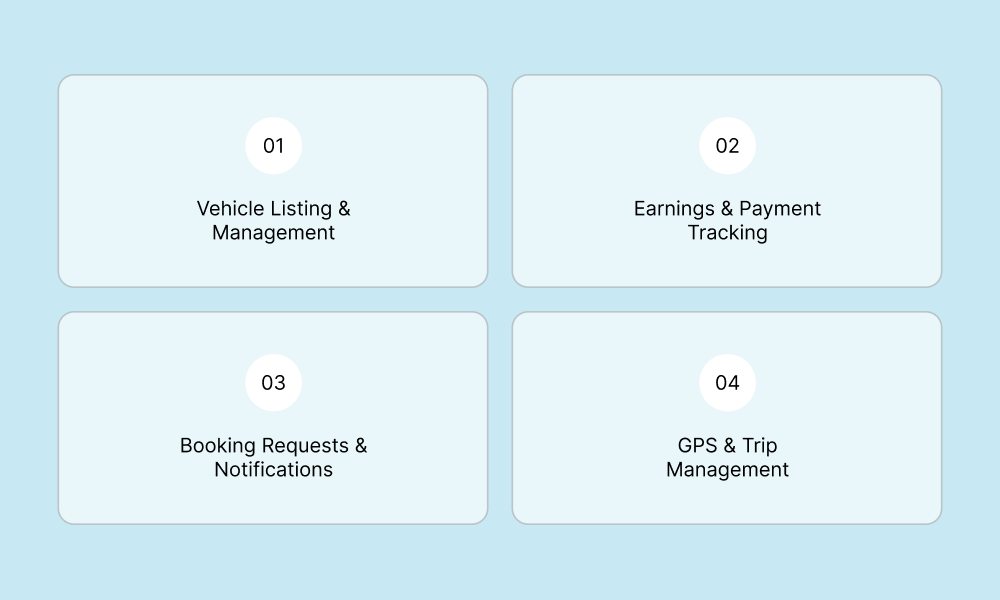
1. Vehicle Listing & Management
Allows owners to add and manage their vehicles efficiently.
- Add vehicle details, images, and pricing
- Update availability in real-time
- Manage bookings and schedules
- Track vehicle performance
2. Earnings & Payment Tracking
Provides transparency in revenue and payouts.
- View earnings dashboard
- Track completed bookings
- Payment history and reports
- Withdrawal and payout management
3. Booking Requests & Notifications
Keeps drivers informed and responsive.
- Accept or reject booking requests
- Real-time alerts for new bookings
- Notifications for cancellations or updates
- Schedule management tools
4. GPS & Trip Management
Helps drivers manage trips effectively.
- Real-time trip tracking
- Route navigation support
- Trip history and logs
- Safety and tracking features
For Admin
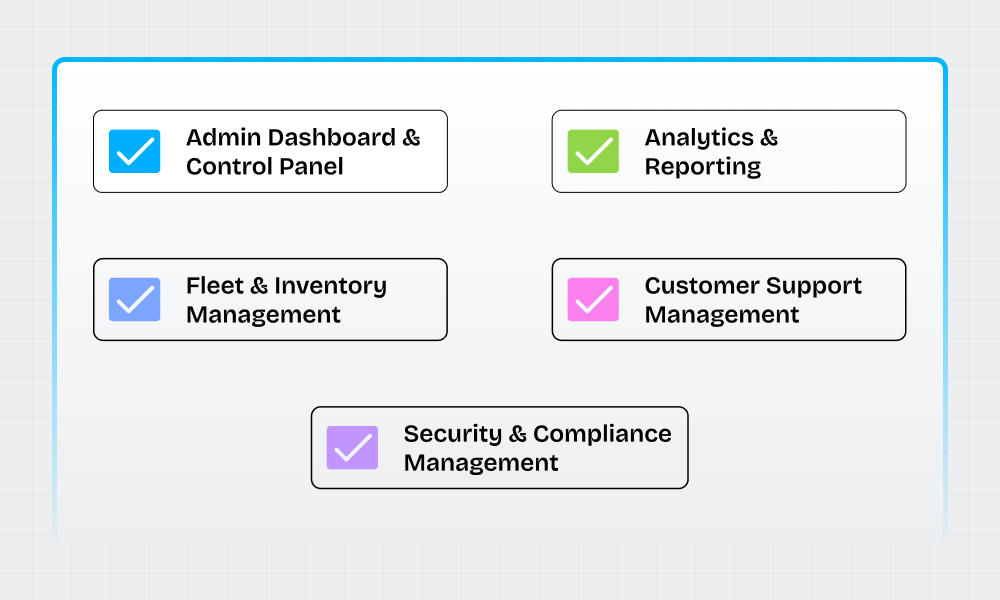
1. Admin Dashboard & Control Panel
Centralized system to manage the entire platform.
- Manage users, drivers, and vehicles
- Monitor bookings and transactions
- Control pricing and commissions
- Access real-time data
2. Analytics & Reporting
Provides insights for better decision-making.
- Revenue and performance tracking
- User behavior analysis
- Booking trends and reports
- Data-driven business insights
3. Fleet & Inventory Management
Ensures smooth handling of all vehicles on the platform.
- Track vehicle availability and usage
- Maintenance scheduling
- Monitor fleet performance
- Manage listings and categories
4. Customer Support Management
Helps resolve user issues efficiently.
- Manage queries and complaints
- Live chat and ticketing system
- Support history tracking
- Quick resolution tools
5. Security & Compliance Management
Ensures platform safety and legal compliance.
- User verification and KYC management
- Fraud detection systems
- Data security and privacy controls
- Compliance with regulations
Benefits of Car Rental App Development
Investing in car rental app development offers significant advantages for businesses looking to expand in the modern mobility market. With the increasing demand for convenience and digital services, a well-designed car rental app can transform how businesses operate and interact with customers. Below are the key benefits explained in detail:
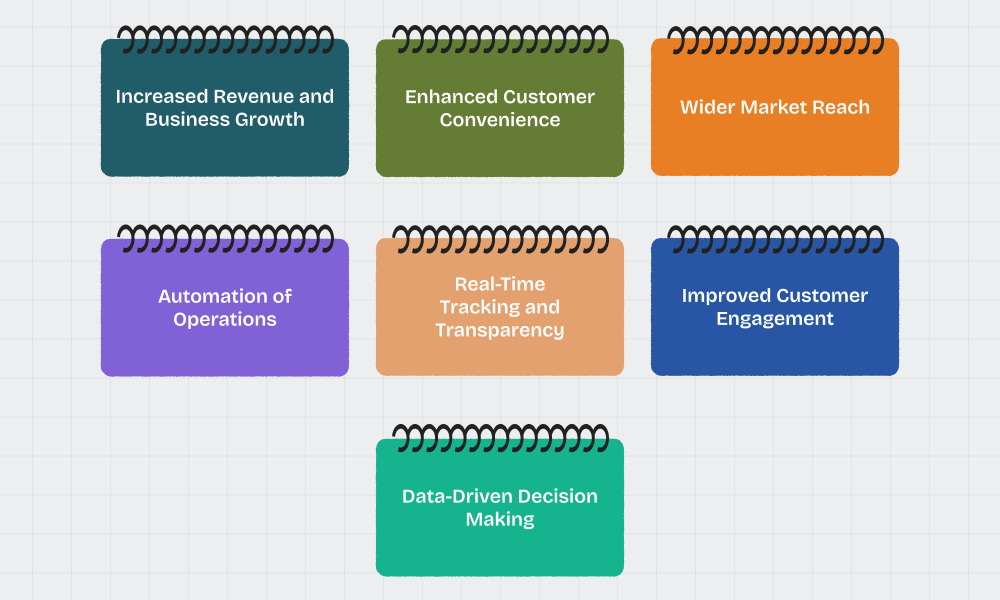
1. Increased Revenue and Business Growth
A digital car app rental platform opens multiple revenue streams. Businesses can earn through hourly rentals, subscription models, surge pricing, and premium services. Unlike traditional rental systems, an app allows 24/7 bookings, ensuring you never miss a potential customer. Models inspired by uber car rental also enable dynamic pricing, helping maximize profits during peak demand.
2. Enhanced Customer Convenience
One of the biggest advantages of a car hire app is the convenience it offers. Customers can browse vehicles, compare prices, and book a car within minutes from their smartphones. Features like instant booking, real-time availability, and digital payments eliminate the need for physical visits, making the entire process seamless and user-friendly.
3. Wider Market Reach
A mobile app helps businesses expand beyond geographical limitations. With a strong online presence, your car rental app can attract users from different locations, increasing brand visibility and customer acquisition. This is especially beneficial for startups aiming to compete with established platforms like uber car hire.
4. Automation of Operations
Manual processes such as booking management, payment handling, and customer support can be time-consuming and error-prone. A well-built car rental app automates these operations, reducing administrative workload and improving efficiency. Automation also ensures faster service delivery and better customer satisfaction.
5. Real-Time Tracking and Transparency
Modern car rental apps come with GPS tracking features that allow users to monitor their booked vehicles in real time. This not only enhances safety but also builds trust between the service provider and customers. Businesses can also track vehicle usage, optimize routes, and improve fleet management.
6. Improved Customer Engagement
A feature-rich car hire app enables businesses to engage with customers through push notifications, personalized offers, and loyalty programs. By analyzing user behavior, businesses can provide tailored recommendations, improving user retention and overall experience.
7. Data-Driven Decision Making
One of the most powerful benefits of car rental app development is access to valuable data. Businesses can track user preferences, booking patterns, and revenue trends. This data helps in making informed decisions, optimizing pricing strategies, and improving service quality.
Types of Car Rental Services
The car rental app industry offers a variety of service models designed to meet different customer needs and business goals. From traditional rentals to modern app-based solutions like uber car hire, each type serves a unique purpose. Understanding these types is essential when planning car rental app development, as it helps define your target audience, features, and revenue model.
Some services focus on short-term convenience, while others cater to long-term usage or shared mobility. Choosing the right model for your car hire app or car app rental platform can significantly impact your business success.
Service Type | Description | Best For | Example Use Case |
|---|---|---|---|
Self-Drive Car Rental | Users rent a car and drive it themselves without a driver. | Independent travelers | Weekend trips, personal travel |
Chauffeur-Driven Rental | Cars come with professional drivers for a comfortable experience. | Business travelers, luxury users | Airport transfers, corporate travel |
Peer-to-Peer (P2P) Rental | Individuals rent their personal vehicles to others via a platform. | Asset owners & budget users | Renting unused personal cars |
Ride-Hailing Services | On-demand rides booked via apps similar to uber car rental models. | Daily commuters | Quick city rides |
Subscription-Based Rental | Users pay a monthly fee to access cars without ownership. | Long-term users | Monthly car access without buying |
Corporate Car Rental | Businesses rent vehicles for employee travel and operations. | Companies & enterprises | Employee transportation |
Outstation Rental | Cars are rented for long-distance or intercity travel. | Travelers & tourists | Road trips between cities |
Luxury Car Rental | High-end vehicles offered for premium experiences. | High-income customers | Weddings, special events |
Car Sharing Services | Multiple users share vehicles for short durations. | Urban users | Hourly rentals in cities |
Airport Car Rental | Rental services specifically available at airports. | Travelers | Immediate transport after landing |
Future Trends in Car Rental App Development
The future of car rental app development is being shaped by rapid technological advancements, changing customer expectations, and the growing demand for smart mobility solutions. As businesses aim to stay competitive, adopting emerging trends is essential to build innovative and scalable car rental apps. Below are the key trends that are expected to redefine the industry in the coming years:
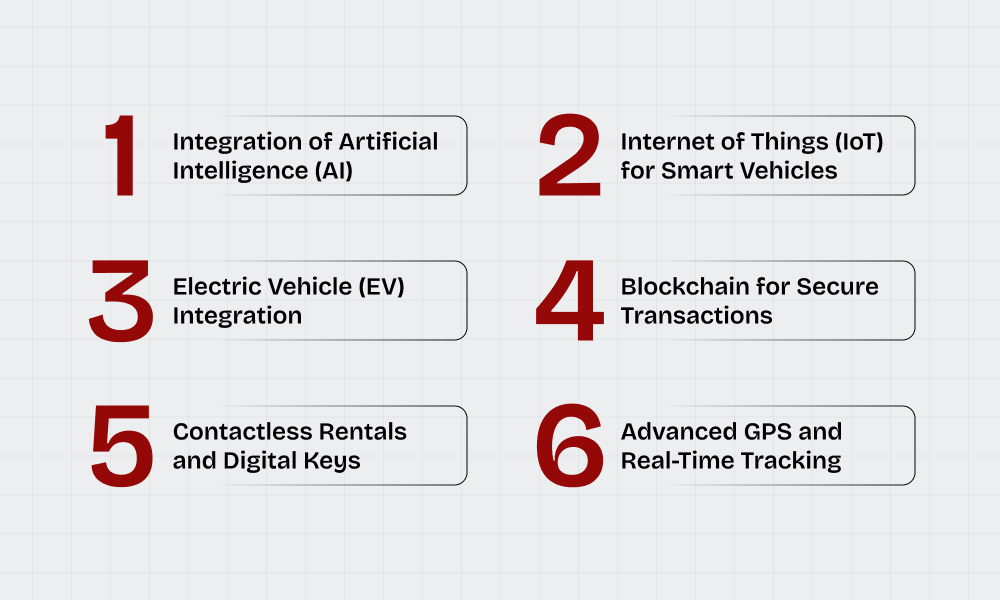
1. Integration of Artificial Intelligence (AI)
Artificial Intelligence is transforming how a car rental app operates. AI-powered algorithms can analyze user behavior, preferences, and booking history to provide personalized recommendations. Features like smart pricing, demand prediction, and automated customer support (chatbots) are becoming standard in modern car app rental platforms. This helps businesses enhance user experience while optimizing revenue.
2. Internet of Things (IoT) for Smart Vehicles
IoT is playing a crucial role in making car hire apps more intelligent and efficient. Connected vehicles can share real-time data such as location, fuel levels, and maintenance status. This allows businesses to monitor their fleet remotely, improve safety, and reduce downtime. IoT mobile apps are especially valuable for apps inspired by uber car rental models.
3. Electric Vehicle (EV) Integration
With the global shift toward sustainability, integrating electric vehicles into car rental apps is becoming a major trend. Many businesses are now offering EV options to attract environmentally conscious users. Future car rental app development will focus on features like EV charging station locators, battery status tracking, and eco-friendly ride options.
4. Blockchain for Secure Transactions
Blockchain technology is gaining traction in the mobility sector for its ability to provide secure and transparent transactions. In a car hire app, blockchain can be used for smart contracts, secure payments, and identity verification. This reduces fraud and builds trust among users and service providers.
5. Contactless Rentals and Digital Keys
Post-pandemic, users prefer minimal physical interaction. Modern car rental apps are adopting contactless solutions, allowing users to unlock and start vehicles using digital keys on their smartphones. This trend enhances convenience and safety, making the rental process faster and more efficient.
6. Advanced GPS and Real-Time Tracking
Real-time tracking is evolving with more precise GPS technologies. Future car app rental platforms will offer enhanced route optimization, traffic updates, and geofencing capabilities. These features improve both user experience and fleet management efficiency.
Conclusion
At ToXSL Technologies, we understand that the future of mobility lies in smart, scalable, and user-centric digital solutions. Investing in car rental app development company is no longer just an option - it’s a strategic move for businesses aiming to thrive in a competitive market. A well-built car rental app not only enhances customer convenience but also streamlines operations, boosts revenue, and strengthens brand presence.
With growing demand for platforms inspired by uber car rental, businesses need innovative solutions that combine performance, security, and seamless user experience. Whether you’re planning to launch a basic car hire app or a feature-rich car app rental platform, having the right technology partner is crucial.
At ToXSL Technologies, we specialize in delivering customized, high-quality solutions tailored to your business needs. From ideation and design to development and deployment, our team ensures your car rental app is built for success. Partner with us to transform your vision into a powerful digital platform and stay ahead in the evolving mobility landscape.
Frequently Asked Questions
1. What is a car rental app and how does it work?
A car rental app is a digital platform that allows users to search, book, and pay for vehicles online. It connects customers with car owners or rental companies, making the process quick and convenient.
- Users can register and create an account
- Browse available cars based on location and preferences
- Book a vehicle instantly or schedule in advance
- Make secure online payments
- Track bookings and rental history
2. How much does it cost to develop a car rental app?
The cost of car rental app development depends on features, complexity, and platform choice. It can range from basic to highly advanced solutions.
- Basic apps cost around $15,000–$25,000
- Mid-level apps range from $25,000–$50,000
- Advanced apps can exceed $100,000
- Development time also affects overall cost
Hiring a professional Car Rental App Development company ensures better ROI
3. What features should a car hire app include?
A successful car hire app must include essential features to ensure smooth user experience and efficient management.
- User registration and profile management
- Advanced search and filtering options
- Real-time booking and availability
- GPS tracking and navigation
- Secure payment integration
4. How long does it take to develop a car rental app?
The time to develop a car rental app depends on the complexity and features included.
- Basic apps take 2–3 months
- Medium-level apps take 3–6 months
- Advanced apps may take 6–9 months or more
- Testing and quality assurance add to the timeline
- Continuous updates are required post-launch
5. Why should I hire a car rental app development company?
Working with an experienced Car Rental App Development company ensures a high-quality, scalable, and secure application.
- Access to skilled developers and designers
- Faster development and deployment
- Use of latest technologies and trends
- Ongoing maintenance and support
- Customized solutions tailored to business needs