





























The phrase “Focus on what you do best and outsource the rest” perfectly defines modern product development. Around 92% of tech companies have IT outsourcing contracts, while 96% depend on external providers for analytics and data expertise. Additionally, 37% number of small businesses outsource operations to remain agile and stay competitive in a rapidly evolving market. As digital transformation accelerates across industries, product development outsourcing has become a catalyst for businesses seeking efficiency, scalability, and innovation. Whether you are a startup launching your first MVP or an enterprise modernizing legacy systems, outsourcing can unlock immense value.
Key Highlights
- Allows businesses to experiment with new ideas without heavy investments.
- Improves productivity through agile methodologies and collaborative workflows.
- Ensures data security and intellectual property protection through agreements.
- Minimizes business risks through structured processes and compliance standards.
- Enables businesses to focus on core competencies and strategic growth initiatives.
What is Product Development Outsourcing?
Businesses are turning to outsourcing product development to bridge skill gaps, drive value, and offer blueprint for the future. It is strategic approach where companies hire external experts to manage certain stages of their product lifecycle such as designing, testing and launch of their digital product instead of hiring. Hence, instead of investing heavily in recruitment, training, infrastructure, and long-term employment contracts, businesses collaborate with experienced partners who already possess the necessary technical expertise and industry knowledge.
Benefits of Outsourcing Product Development
Outsourcing product development has become a strategic decision for businesses aiming to innovate faster, optimize costs, and remain competitive in rapidly evolving markets. Instead of managing every aspect internally, companies collaborate with specialized partners who bring technical expertise, structured processes, and scalable solutions to the table.
1. Access to Global Talent
Outsourcing opens the door to a worldwide talent pool of experienced developers, designers, engineers, and strategists who possess deep technical knowledge across multiple industries. This access eliminates local hiring limitations and ensures businesses can leverage specialized skills and innovative perspectives for superior product outcomes.
2. Cost Efficiency and Financial Optimization
Maintaining an in-house development team involves recruitment expenses, infrastructure investments, employee benefits, and ongoing training costs. Outsourcing significantly reduces these financial burdens by offering flexible pricing models, allowing businesses to pay only for required services while maintaining high-quality development standards.
3. Faster Time to Market
Experienced outsourcing teams follow agile methodologies and structured workflows, enabling immediate project initiation without lengthy hiring processes. Their expertise in rapid prototyping, iterative development, and continuous testing ensures quicker product launches, helping businesses capture market opportunities before competitors.
4. Scalability and Operational Flexibility
Outsourcing allows companies to easily scale development resources based on project demands. Whether expanding teams during peak development phases or downsizing after launch, businesses maintain flexibility without long-term commitments, ensuring efficient resource utilization and financial stability.
5. Improved Product Quality and Reliability
Professional outsourcing firms implement strict coding standards, rigorous testing protocols, and performance optimization strategies. Their structured quality assurance processes minimize bugs, enhance security, and ensure reliable product performance, ultimately delivering robust solutions that meet user expectations.
6. Focus on Core Business Functions
By outsourcing technical responsibilities, organizations can concentrate on strategic initiatives such as marketing, sales, partnerships, and customer engagement. This focused approach strengthens business growth while experienced development partners manage technical complexities efficiently.
7. Risk Reduction
Outsourcing partners utilize established risk management frameworks and compliance practices to reduce operational uncertainties. Through clear documentation, milestone tracking, and secure development standards, businesses experience lower risks and improved project predictability.
8. Access to Advanced Technologies
Leading outsourcing firms continuously update their technical expertise and tools to remain competitive. This ensures businesses gain access to modern frameworks, cloud technologies, automation tools, and innovative solutions without investing heavily in internal technology upgrades.
How to Outsource a Software Product Development
Wondering if managing an outsourced software development company easier or tougher? Well, it’s easy. Even though it is easy, outsourcing needs careful planning to ensure successful outcomes. Here are a few major steps that are needed to be taken to outsource effectively. Here is a complete step-by-step guide to outsourcing software product development successfully.
Define Clear Project Goals
The foundation of successful outsourcing begins with clarity. Before approaching any vendor, you must clearly define your product vision, target audience, core features, technical expectations, timeline, and budget. A detailed requirement document helps eliminate ambiguity and ensures both parties share the same understanding from the start.
Conduct Thorough Market Research
Choosing the right outsourcing partner requires extensive research. Businesses should analyze potential vendors based on their portfolio, industry experience, technical expertise, client testimonials, and case studies. It is important to evaluate whether the vendor has worked on similar projects and delivered measurable results.
Select the Right Engagement Model
Outsourcing offers different engagement models such as dedicated teams, time and materials, or fixed-price contracts. Selecting the appropriate model depends on your project complexity, flexibility needs, and budget structure. Long-term and evolving projects may require dedicated teams, while clearly defined projects can benefit from fixed pricing.
Evaluate Technical Expertise
Technical capabilities are essential, but communication skills are equally important for project success. During vendor evaluation, assess their development methodologies, tools, technology stack, and problem-solving approach. At the same time, ensure they maintain clear communication channels and regular reporting systems.
Establish Legal Agreements
Protecting your business interests is a crucial part of outsourcing. Before beginning development, ensure all legal documents such as non-disclosure agreements, service level agreements, and contractual terms are properly defined and signed. These agreements safeguard your intellectual property, define project responsibilities, set performance expectations, and clarify dispute resolution mechanisms.
Effective Project Management Practices
Successful outsourcing requires structured project management. Define milestones, deadlines, performance indicators, and review cycles from the beginning. Utilize project management tools that enable task tracking, sprint planning, and transparent reporting. Regular meetings and progress updates ensure that the project stays aligned with your goals. Proactive monitoring allows quick identification of potential issues and ensures timely corrective actions before small challenges escalate into larger problems.
Maintain Continuous Communication
Communication should remain consistent throughout the entire development lifecycle. Regular discussions, progress reviews, and feedback sessions help refine product features and address concerns early. Constructive feedback fosters collaboration and continuous improvement.
Monitor Performance and Measure Results
Once development begins, it is essential to track performance against predefined metrics such as delivery timelines, quality benchmarks, budget adherence, and technical standards. Monitoring progress ensures accountability and maintains project momentum. Post-launch evaluation is equally important to assess performance, scalability, and maintenance needs.
Build a Long-Term Strategic Relationship
Outsourcing should not be viewed as a one-time transaction but as a strategic collaboration. When businesses nurture long-term relationships with reliable development partners, they gain deeper product understanding, improved efficiency, and ongoing innovation support.
Types of Outsourcing Product Development Services
Outsourcing product development services allows businesses to delegate specific technical functions to experienced external teams while maintaining strategic control internally. Depending on business goals, companies can outsource complete product lifecycles or specific development stages. Below are the major types of outsourcing product development services explained in detail.
Mobile App Development
Mobile app development outsourcing enables businesses to create high-performing applications for Android, iOS, or cross-platform environments without building in-house teams. Experienced mobile developers focus on user-centric design, performance optimization, scalability, and security compliance.
- Native Android and iOS application development
- Cross-platform app development using modern frameworks
- App maintenance, updates, and performance optimization
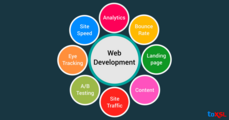
Web Development
Web development outsourcing helps organizations build responsive, scalable, and feature-rich websites or web applications tailored to their business objectives. Professional development teams handle front-end design, back-end architecture, database management, and security implementation.
- Custom website and enterprise web application development
- E-commerce platform design and integration
- Web portal development and cloud-based solutions
Custom Software Development
Custom software development outsourcing focuses on building tailored solutions that address specific business challenges and operational requirements. Instead of using generic software, companies receive fully customized systems designed to improve efficiency, automation, and productivity.
- Business process automation software development
- CRM, ERP, and enterprise system development
- Legacy system modernization and integration services
Software Platform Development
Software platform development outsourcing involves building large-scale digital ecosystems such as SaaS platforms, marketplaces, enterprise systems, or cloud-based infrastructures. These projects require advanced architecture planning, multi-user functionality, security frameworks, and scalability considerations.
- SaaS product development and cloud-native platforms
- Multi-tenant architecture and API development
- Platform testing, deployment, and long-term maintenance
How Much Does Product Development Outsourcing Cost?
The cost of product development outsourcing varies significantly depending on multiple factors such as project complexity, technology stack, development timeline, engagement model, and geographic location of the outsourcing partner. There is no fixed price because every product has unique requirements, features, integrations, and scalability expectations.
Project Type / Service | Estimated Cost Range (USD) | Ideal For |
|---|---|---|
Mobile App Development | $10,000 – $20,000+ | Customer-facing mobile solutions |
Web Application Development | $20,000 – $50,000+ | Business portals and SaaS platforms |
Custom Software Development | $50,000 – $75,000+ | Tailored enterprise solutions |
Enterprise Software Platform | $75,000 – $100,000+ | Large-scale scalable systems |
UI/UX Design Services | $5,000 – $25,000 | Product interface and user experience design |
Quality Assurance & Testing | $5,000 – $20,000 | Performance and security validation |
Maintenance & Support | 15% – 25% of development cost | Ongoing updates and system improvements |
Factors Affecting Outsourcing Rates
Outsourcing rates in product development are influenced by multiple technical, operational, and market-driven factors. Understanding these elements helps businesses plan budgets more accurately and choose the right outsourcing strategy. The overall cost is not determined by a single variable but by a combination of project complexity, expertise level, engagement model, and long-term requirements. Below are the major factors that affect outsourcing rates, explained in detail with subpoints.
1. Geographic Location
The region where your outsourcing partner operates significantly impacts pricing structures. Development costs vary across countries due to differences in living standards, talent availability, taxation policies, and economic conditions.
- Developers in North America and Western Europe typically charge higher hourly rates due to higher operational and labor costs.
- Asian and Eastern European countries often offer competitive pricing while maintaining strong technical expertise.
- Time zone differences may influence collaboration efficiency and project speed, indirectly affecting overall costs.
2. Project Complexity and Scope
The complexity of your product plays a major role in determining outsourcing costs. A basic application with minimal features requires less effort compared to a sophisticated enterprise platform.
- Advanced functionalities such as AI integration, real-time analytics, or blockchain increase development effort and cost.
- Multi-platform compatibility, third-party integrations, and custom APIs add to the overall project scope.
- Frequent scope changes during development can lead to additional costs and extended timelines.
3. Technology Stack and Tools
The choice of programming languages, frameworks, and development tools affects pricing. Some technologies require highly specialized developers who charge premium rates.
- Emerging technologies such as artificial intelligence, machine learning, and cloud-native architectures may increase rates.
- Legacy system modernization may require experienced developers with rare skill sets.
- Licensing fees for proprietary tools and third-party software can impact total development costs.
4. Developer Experience
The level of expertise required for your project influences hourly rates and overall expenses. Highly experienced professionals generally charge more but deliver faster and more reliable results.
- Junior developers are cost-effective but may require supervision and longer development cycles.
- Mid-level developers offer balanced pricing and experience for most standard projects.
- Senior architects and specialists command higher fees due to strategic decision-making and technical leadership.
5. Engagement Model Chosen
The pricing structure depends heavily on the outsourcing engagement model selected for your project.
- Fixed-price models provide cost predictability for clearly defined requirements.
- Time and materials models offer flexibility but may vary depending on project evolution.
- Dedicated team models involve monthly resource commitments suitable for long-term development needs.
6. Project Timeline and Urgency
Urgency directly affects outsourcing rates. Faster delivery requirements may require additional resources or overtime efforts.
- Tight deadlines often require larger teams, increasing overall cost.
- Extended timelines may reduce immediate financial pressure but increase long-term investment.
- Parallel development and accelerated testing cycles can impact pricing structures.
7. Quality Assurance
The depth of testing and quality validation influences total outsourcing costs. Higher quality expectations require more structured testing processes.
- Automated testing tools and performance monitoring systems increase operational expenses.
- Security audits and compliance testing may require specialized experts.
- Continuous testing throughout development ensures reliability but adds to overall effort.
Conclusion
At ToXSL Technologies, we believe product development outsourcing is more than a business decision, it is a strategic pathway to innovation, scalability, and sustainable growth. In today’s IT world, companies must move quickly, adopt modern technologies, and deliver exceptional user experiences to stay ahead of the competition. Outsourcing empowers businesses to achieve these goals efficiently without the burden of building and managing large in-house teams. Want to learn more about product outsourcing? Contact us today.
Frequently Asked Questions
1. What is product development outsourcing?
Product development outsourcing is the process of hiring an external company or team to handle specific stages or the entire lifecycle of a product, including design, development, testing, deployment, and maintenance, instead of managing everything internally.
2. Is outsourcing product development cost-effective?
Yes, outsourcing is often more cost-effective than building an in-house team. It reduces recruitment, infrastructure, training, and operational expenses while allowing businesses to pay only for the services and expertise they require.
3. How do I choose the right outsourcing partner?
You should evaluate potential partners based on their technical expertise, industry experience, portfolio, client reviews, communication practices, and engagement models. Conducting interviews and reviewing case studies helps ensure the partner aligns with your project goals.
4. Which outsourcing model is best for my project?
The ideal outsourcing model depends on your project scope and flexibility needs. A fixed-price model suits clearly defined projects, a time and materials model works for evolving requirements, and a dedicated team model is best for long-term development initiatives.
5. How can I ensure successful collaboration with an outsourcing team?
Success depends on clear requirement documentation, structured communication, defined milestones, performance tracking, and regular feedback sessions. Establishing transparent processes and maintaining consistent collaboration ensures high-quality results and timely delivery.