




























In today’s digital-first world, your website is often the first interaction a potential customer has with your business. In fact, 75% of users judge a company’s credibility based on its website design, and 88% of online consumers are less likely to return to a site after a bad experience. It acts as your brand ambassador, sales representative, and customer support channel, all rolled into one. A professionally built website not only improves credibility but also drives engagement, conversions, and long-term growth, websites with strong UX/UI design see up to 400% higher conversion rates than poorly designed ones.
This is where web development services come in. Whether you are a startup launching your first website or an established enterprise planning a digital transformation, understanding web development services can help you make smarter business decisions.
But are you fully leveraging your website’s potential to attract, engage, and convert your audience?
Key Takeaways
- It combines strategy, design, performance optimization, and security to support business goals.
- From simple websites to complex web applications, choosing the right service type is critical.
- Experience, communication, and technical expertise can make or break your project.
- Pricing depends on features, complexity, technology stack, and ongoing support.
- Investing in quality development ensures your site can evolve with your business.
Understanding Web Development
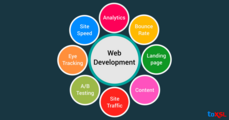
Web development is the process of creating, building, and maintaining websites and web-based applications that operate on the internet. It involves a combination of programming, design, content structure, and performance optimization to ensure a website functions correctly and delivers a seamless user experience. Web development focuses not only on how a website looks, but also on how it works, how fast it loads, and how securely it handles user data.
At its foundation, web development includes writing clean and efficient code that allows a website to display content, process user actions, and interact with servers and databases. Developers use various programming languages and frameworks to ensure websites are responsive, scalable, and compatible across different devices and browsers. This technical backbone enables websites to perform essential tasks such as form submissions, user logins, online payments, and content management.
Web development also plays a crucial role in shaping the user experience. A well-developed website ensures smooth navigation, fast load times, and intuitive functionality, which directly impact how users interact with a business online. Poor development can lead to slow performance, broken features, and security vulnerabilities, ultimately driving potential customers away.
Types of Web Development Services
Web development services cover a wide range of solutions designed to meet different business needs. Depending on the size, goals, and complexity of a project, businesses can choose from several types of web development services.
1. Front-End Development
Front-end development focuses on the visual and interactive elements of a website that users directly experience. This type of development ensures that layouts, colors, typography, buttons, and navigation function smoothly across all devices and screen sizes. Front-end developers work to create responsive, fast-loading, and user-friendly interfaces that enhance engagement and improve overall user experience.
2. Back-End Development
Back-end development manages the server-side functionality that powers a website behind the scenes. It involves handling databases, servers, application logic, and user authentication systems to ensure the website operates efficiently and securely. Back-end development allows websites to store data, process requests, and deliver dynamic content to users in real time.
3. Full-Stack Development
Full-stack development combines both front-end and back-end development into a single comprehensive service. Full-stack developers manage the complete web development process, ensuring seamless communication between the user interface and server-side components. This approach is especially beneficial for businesses that require faster development cycles and integrated solutions.
4. Custom Web Development
Custom web development involves building websites and applications from scratch to meet specific business requirements. Unlike template-based solutions, custom development offers greater flexibility, scalability, and control over features and performance. Businesses with unique workflows or advanced functionality needs often choose custom web development to gain a competitive advantage.
5. E-Commerce Web Development
E-commerce web development focuses on creating online stores that allow businesses to sell products and services digitally. This service includes developing product catalogs, shopping carts, secure payment gateways, order management systems, and customer accounts. A well-developed e-commerce website ensures smooth transactions, strong security, and an optimized shopping experience.
6. CMS Development
Content Management System development enables businesses to manage website content easily without requiring technical expertise. CMS-based websites allow users to update text, images, blogs, and pages through an intuitive dashboard. This type of development is ideal for businesses that frequently update content and want greater control over their website.
7. Web Application Development
Web application development involves creating advanced, interactive applications that run in web browsers. These applications are designed to handle complex user interactions, real-time data processing, and high traffic volumes. Web applications are commonly used for software-as-a-service platforms, dashboards, booking systems, and enterprise tools.
8. Website Maintenance and Support
Website maintenance and support services ensure that a website remains secure, functional, and up to date after launch. This type of service includes regular updates, bug fixes, performance optimization, and security monitoring. Ongoing maintenance helps businesses prevent downtime, protect user data, and adapt their website to evolving technologies.
How to Hire the Best Web Development Company
Hiring the right web development company is a crucial decision that directly impacts the success of your digital presence. A reliable development partner not only builds your website but also helps align it with your business goals and long-term growth strategy.
1. Define Your Business Requirements
Before approaching a web development company, it is essential to have a clear understanding of your project goals and expectations. Defining your website’s purpose, target audience, required features, budget, and timeline helps eliminate confusion and ensures that both parties are aligned from the beginning. Well-documented requirements lead to accurate proposals and smoother project execution.
2. Review the Company’s Portfolio
A company’s portfolio provides valuable insight into its technical capabilities and design quality. Reviewing previous projects helps you assess whether the company has experience handling similar industries or project complexities. A strong portfolio demonstrates the company’s ability to deliver functional, visually appealing, and scalable solutions.
3. Evaluate Technical Expertise
Technical expertise is one of the most important factors when hiring a web development company. The company should be proficient in modern development technologies, frameworks, and best practices related to performance, security, and scalability. A technically skilled team ensures that your website remains reliable and adaptable as your business grows.
4. Check Client Reviews
Client reviews and testimonials offer an honest perspective on the company’s reliability and professionalism. Feedback from past clients helps you understand how the company handles communication, deadlines, challenges, and post-launch support. Consistently positive reviews are a strong indicator of a trustworthy development partner.
5. Assess Communication
Effective communication plays a vital role in successful web development projects. A good web development company maintains transparency, provides regular progress updates, and explains technical details in a clear and understandable manner. Strong project management practices ensure timely delivery and reduce the risk of misunderstandings.
6. Understand Pricing and Contract Terms
Before finalizing a web development company, it is important to review their pricing structure and contract terms carefully. Clear cost breakdowns, defined project scope, and transparent payment schedules help prevent unexpected expenses. Understanding ownership rights, timelines, and deliverables protects your business interests.
7. Post-Launch Support and Maintenance
Web development does not end once the website goes live. Ongoing support and maintenance are necessary to address security updates, bug fixes, and performance improvements. Choosing a company that offers reliable post-launch services ensures the long-term success and stability of your website.
How much Does it Cost to Hire a Web Development Company?
The cost of hiring a web development company depends on the type of website or application you want to build, the level of customization required, and the complexity of features involved. Simple websites with limited functionality generally cost less, while custom-built platforms, e-commerce stores, and web applications require a higher investment due to advanced development, testing, and integration needs.
Web development costs also vary based on design requirements, technology stack, project timeline, and the location of the development team. While smaller projects can be completed quickly with a modest budget, larger and more complex solutions demand skilled developers, longer development cycles, and ongoing support, which increases the overall cost. Businesses should view web development pricing as a long-term investment that delivers value through improved visibility, customer engagement, and scalability.
Type of Web Development Service | Description | Estimated Cost Range |
|---|---|---|
Basic Business Website | A simple website with standard pages such as home, about, services, and contact, usually built using templates with minimal customization. | $1,000 – $5,000 |
Custom Corporate Website | A professionally designed website with custom layouts, branding, CMS integration, and performance optimization. | $5,000 – $15,000 |
E-Commerce Website | An online store with product listings, shopping cart, payment gateway integration, and order management features. | $5,000 – $30,000+ |
Custom Web Application | A feature-rich web-based application such as dashboards, booking systems, or business tools. | $15,000 – $50,000+ |
SaaS Platform Development | A scalable software-as-a-service solution with complex architecture, user management, and integrations. | $30,000 – $100,000+ |
Website Maintenance and Support | Ongoing updates, security monitoring, bug fixes, and performance optimization after launch. | $500 – $3,000 per month |
Factors Associated with Cost of Web Development Company
The cost of hiring a web development company is influenced by multiple factors that collectively determine the time, expertise, and resources required to complete a project. Understanding these factors helps businesses plan budgets more effectively and make informed decisions when selecting a development partner.
- Project Scope and Complexity: The overall scope and complexity of a project have a direct impact on its cost. Websites with basic informational pages require less development effort, while complex platforms with custom features, integrations, and dynamic functionality demand more time and specialized expertise. As complexity increases, so does the cost of development.
- Design and User Experience Requirements: The level of design customization plays a significant role in determining web development costs. Custom-designed interfaces tailored to a brand’s identity require more planning, creativity, and revisions than template-based designs. Advanced user experience strategies, such as user journey mapping and interactive elements, further increase design-related costs.
- Technology Stack and Frameworks: The choice of programming languages, frameworks, and tools affects the overall cost of web development. Advanced or specialized technologies may require highly skilled developers and additional development time. Custom frameworks, third-party integrations, and API development also add to the project’s complexity and budget.
- Development Team Expertise and Size: The experience and skill level of the development team influence pricing. Senior developers and specialized professionals typically charge higher rates due to their expertise and ability to deliver high-quality solutions. Larger teams may be required for complex projects, increasing labor costs and coordination efforts.
- Geographic Location of the Development Company: The location of a web development company significantly affects pricing due to differences in labor costs and market standards. Companies based in regions with higher living costs generally charge more, while offshore or nearshore teams may offer more affordable rates. However, quality, communication, and reliability should be considered alongside cost.
Conclusion
ToXSL Technologies stands out as a reliable partner for businesses seeking professional web development services. With expertise in custom web development, e-commerce solutions, web applications, and CMS platforms, ToXSL Technologies delivers scalable and high-performance solutions tailored to unique business needs. Their experienced team combines technical expertise with creative design to ensure websites are not only visually appealing but also functionally robust and user-friendly. By choosing ToXSL Technologies, businesses gain a partner capable of handling every stage of web development, from planning and design to development, launch, and ongoing support. Investing in their services ensures that your digital presence is optimized for growth, security, and long-term success. Contact us today.
Frequently Asked Questions
1. What services does ToXSL Technologies offer?
ToXSL Technologies provides a wide range of services, including custom web development, e-commerce development, CMS-based websites, web applications, UI/UX design, mobile app development, and ongoing maintenance and support.
2. How long does it take to develop a business website?
The development timeline depends on project complexity, features, and customization. A basic business website may take a few weeks, while complex or custom web applications can take several months. Proper planning and clear requirements help ensure timely and efficient delivery.
3. How do custom web development services benefit businesses over templates?
Custom web development allows businesses to create websites tailored to their brand, workflows, and customer needs. Unlike templates, custom solutions offer better performance, scalability, security, and flexibility, helping businesses stand out and adapt as their requirements grow over time.
4. How much does it cost to hire ToXSL Technologies for web development?
Costs vary depending on project requirements, complexity, design needs, and technology stack. They provide tailored solutions for businesses of all sizes, with transparent pricing and detailed proposals.
5. How do web development services improve website security?
Professional web development services implement security best practices such as secure coding, SSL certificates, data encryption, and regular updates. These measures protect websites from cyber threats, safeguard customer data, and build trust, which is essential for businesses operating online.
6. How can web development services help improve conversion rates?
Web development services optimize website structure, page speed, calls-to-action, and user journeys. By reducing friction and improving usability, businesses can guide visitors toward desired actions such as inquiries, purchases, or sign-ups, resulting in higher conversion rates and improved ROI.