







































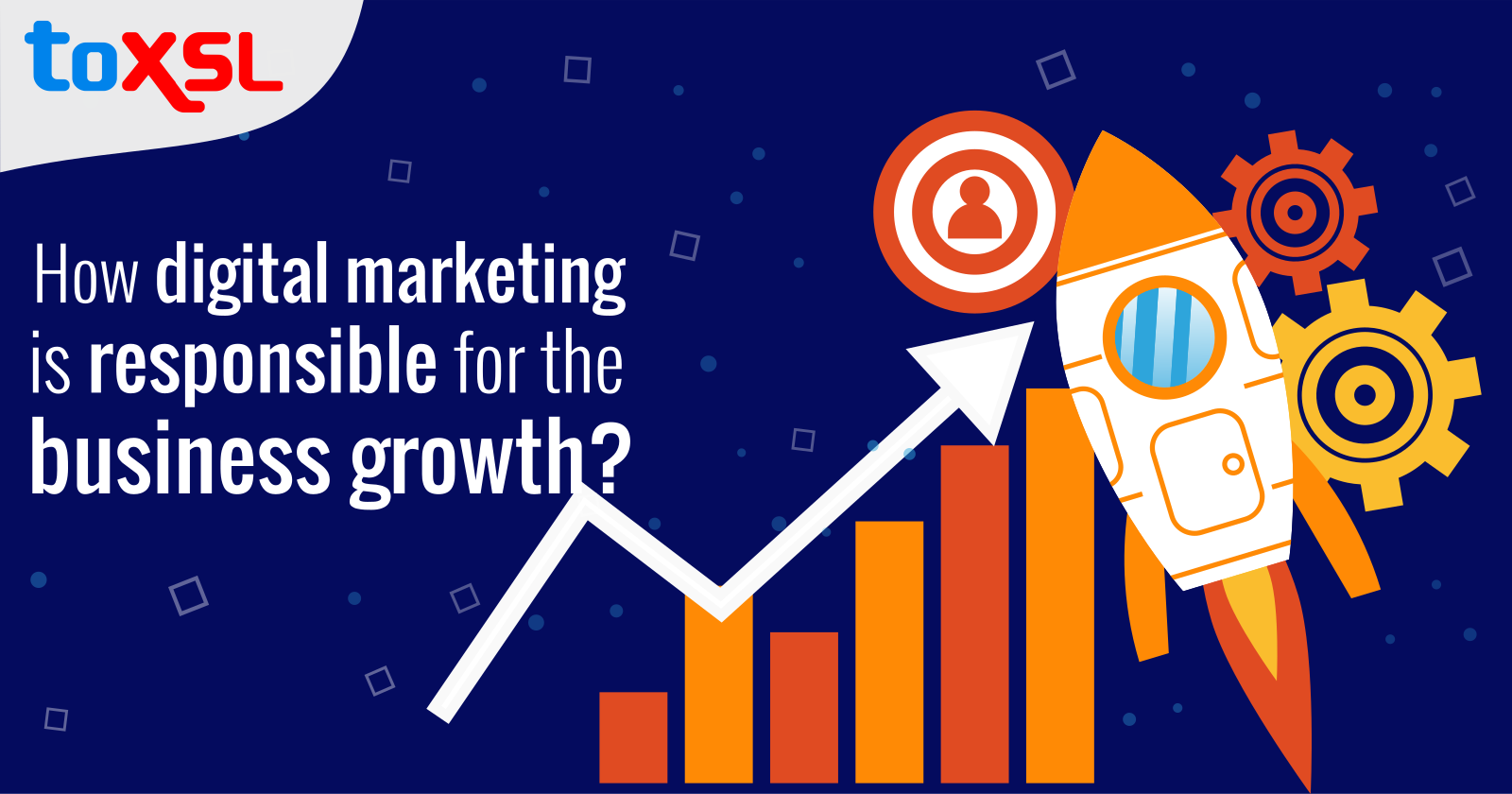
In this evolving technological era, everyone wants to grow their business without paying much. Well, digital marketing is a top-notch method to help your business rank high on Google or any other search engine.
Getting ranked itself says that you have a very big fan following for your business. Digital Marketing provides you enormous platforms to make your business popular on every possible website.
You might not know but you can rank on the first page of Google without actually denting your wallet. A method that might take some time but will help once applied correctly. This involves a huge amount of effort and patience to make your online presence globally.
Since there are many ways to achieve positive results. Let's focus on the latest tactics that will help your business gain recognition.
What is Digital Marketing?
Digital marketing refers to the use of digital channels, such as the internet, social media, search engines, email, and mobile apps, to promote and sell products or services. Unlike traditional marketing, digital marketing allows businesses to engage with their audience in real-time, track their actions, and optimize campaigns based on data insights. The term encompasses a wide array of strategies, including Search Engine Optimization (SEO), Pay-Per-Click (PPC) advertising, email marketing, content marketing, social media marketing, and much more. In today’s business landscape, digital marketing is indispensable. It is responsible for driving growth in multiple ways by expanding reach, improving customer interactions, increasing conversions, and fostering brand loyalty.
1. Expanding Reach and Increasing Visibility
One of the core reasons digital marketing contributes to business growth is its ability to expand a business’s reach far beyond local borders. In traditional marketing, businesses were limited by their geographical location, but with digital marketing, companies can now access a global audience at the click of a button. This makes digital marketing particularly valuable for businesses looking to scale.
Global Audience Access: Platforms such as social media, search engines, and email enable businesses to reach potential customers across the globe. For example, social media platforms like Instagram, Facebook, and TikTok boast billions of active users. This offers businesses the opportunity to target and engage with users from different countries and cultures, allowing them to diversify their customer base and increase their chances of success. Additionally, with tools like Google Ads, businesses can set up global campaigns that target specific regions or languages. This global reach opens doors to new markets that were previously inaccessible with traditional marketing.
Local Targeting with Precision: While digital marketing allows for a global reach, it also enables hyper-local targeting. Through tools like Google My Business and Facebook Ads, businesses can target customers based on their location, ensuring that the right people see their ads. For example, a local bakery can target potential customers within a few miles of its location, increasing foot traffic and local sales. By focusing on specific geographic locations, businesses can increase brand visibility in areas where they are most likely to see conversions. This capability is especially useful for small businesses or startups that are aiming to grow their presence in specific markets.
2. Targeting the Right Audience
In traditional marketing, businesses often spent large sums of money on broad advertising campaigns that reached a wide audience. Many of these efforts failed to convert into actual sales because they were not targeted to the right people. Digital marketing, on the other hand, allows businesses to target specific customer segments with laser precision, ensuring that marketing budgets are spent efficiently.
Data-Driven Decision Making: Digital marketing enables businesses to collect and analyze data about their customers' behaviors, preferences, and interactions with digital content. This data-driven approach allows companies to understand their audience on a deeper level, which helps them create more personalized campaigns. By using tools like Google Analytics, businesses can track website traffic, user behavior, and demographics to gain a clearer picture of who their audience is. With this data in hand, businesses can segment their audience based on factors such as age, location, interests, and buying behavior. This segmentation allows companies to tailor their marketing messages and offers to specific groups, ensuring a higher level of relevance and engagement.
Personalized Marketing: Personalization is one of the most powerful features of digital marketing. Email marketing platforms, for instance, allow businesses to send customized messages to individual subscribers based on their previous interactions with the company. A user who has previously purchased a product might receive personalized offers for related items, increasing the likelihood of repeat business. Similarly, social media platforms such as Facebook and Instagram allow businesses to create custom audiences based on users' behaviors, interests, and demographic data. This level of targeting ensures that businesses are reaching the most relevant audience with their marketing efforts.
3. Enhancing Customer Engagement
Digital marketing is not just about pushing products or services to customers; it is also about engaging with them in a meaningful way. Building strong relationships with customers is essential for long-term business growth, and digital marketing offers a range of tools to make this possible.
Two-Way Communication on Social Media: Social media platforms serve as two-way communication channels that allow businesses to interact directly with their audience. Unlike traditional marketing methods, which are largely one-sided, digital marketing fosters ongoing conversations between businesses and customers. By engaging with customers through comments, messages, and direct interactions, businesses can establish trust and build stronger relationships. Customers who feel heard and valued are more likely to become repeat buyers, recommend the brand to others, and contribute to the overall growth of the business.
Content Marketing and Thought Leadership: Content marketing is another way to engage with customers. By providing valuable, informative, and entertaining content, businesses can position themselves as experts in their industry. Blogs, podcasts, videos, and infographics all serve as platforms for sharing knowledge and building authority. For example, a software company might produce blog posts explaining how to use its tools more effectively or creating tutorials to help users solve common problems. This type of content not only adds value but also encourages customers to engage with the brand and return for future updates or products.
Customer Feedback and Improvement: Digital marketing enables businesses to gather real-time feedback from customers. Platforms like social media, online surveys, and customer reviews offer businesses valuable insights into customer satisfaction and areas for improvement. By listening to customer feedback, businesses can adjust their strategies, improve their products or services, and ultimately enhance the customer experience.
4. Increasing Traffic and Conversions
One of the most direct ways in which digital marketing contributes to business growth is by increasing website traffic and conversions. Digital marketing strategies such as SEO, paid advertising, and retargeting help drive traffic to a company’s website, where users can be converted into paying customers.
Search Engine Optimization (SEO): SEO is a vital part of any digital marketing strategy. When a business optimizes its website for search engines, it improves its chances of ranking higher on search engine results pages (SERPs), making it more visible to potential customers. A higher ranking means more traffic, which can lead to increased sales and revenue. By using the right keywords, optimizing website structure, creating high-quality content, and promoting that content on relevant marketing sites for guest posting, businesses can improve their chances of appearing at the top of search engine results when users search for related products or services. Partnering with a Google Rank Check SEO Agency can further help businesses track their ranking progress and fine-tune their strategy accordingly. For instance, an e-commerce store selling athletic wear can optimize its website for keywords like "best running shoes" or "comfortable yoga pants" to attract relevant traffic.
Pay-Per-Click (PPC) Advertising: PPC advertising is another powerful tool for driving traffic and conversions. Platforms like Google Ads and Bing Ads allow businesses to run targeted ads that appear when users search for specific keywords. With PPC, businesses only pay when users click on their ads, making it a cost-effective way to reach a highly targeted audience. Because PPC ads appear at the top of search engine results, they are more likely to be seen by users who are actively searching for a product or service, which increases the chances of conversion. This makes PPC a highly efficient method for driving quality traffic and boosting sales.
Retargeting and Remarketing: Not all visitors to a website will convert on their first visit. However, with retargeting and remarketing, businesses can bring users back to their site to complete the desired action, whether it’s making a purchase or filling out a contact form. By displaying targeted ads to users who have previously interacted with the brand, businesses can increase the likelihood of conversion. For example, an online clothing retailer can retarget users who have added items to their shopping cart but did not complete the purchase, reminding them of the items they left behind and offering an incentive to return and finish the transaction.
5. Cost-Effectiveness and High ROI
Digital marketing is one of the most cost-effective marketing strategies available today. Unlike traditional marketing methods, which can require significant financial investments (TV ads, print media, etc.), digital marketing allows businesses to reach a large audience at a fraction of the cost. Moreover, digital marketing offers highly measurable results, allowing businesses to track their ROI and make data-driven decisions.
Low-Cost Marketing Options: Digital marketing offers a variety of budget-friendly options that cater to businesses of all sizes. Social media marketing, for instance, can be done at little to no cost, especially if a business is able to generate organic engagement. Likewise, email marketing can yield significant returns without the need for a large budget. Small businesses and startups can take advantage of these low-cost strategies to build their online presence and attract customers, even with limited resources. This democratization of marketing gives smaller companies a fighting chance to compete with larger enterprises.
Measurable Results One of the key benefits of digital marketing is the ability to track results in real time. With tools like Google Analytics, businesses can monitor traffic, engagement, and conversion metrics, which provides a clear picture of how effective their campaigns are. This allows businesses to make adjustments to their strategies quickly and efficiently. By tracking KPIs (Key Performance Indicators), businesses can understand what is working and what isn’t, ensuring that they focus their resources on the most effective tactics.
6. Building Brand Authority and Trust
Establishing brand authority is crucial for long-term business growth. Digital marketing helps businesses build trust and credibility by providing value to their audience and consistently delivering on their promises.
Expertise through Content: Content marketing allows businesses to demonstrate their expertise and knowledge in their field. By creating informative blog posts, case studies, videos, and white papers, businesses can position themselves as leaders in their industry. This not only helps attract new customers but also fosters loyalty among existing customers.
Customer Reviews and Testimonials: Online reviews and testimonials are powerful trust signals that can significantly impact a business’s reputation. Positive reviews on platforms like Google, Yelp, and Trustpilot serve as social proof, influencing potential customers' decisions to choose your business over competitors. Digital marketing strategies can encourage customers to leave reviews, further building trust and credibility.
Tactics to Follow in Digital Marketing
- Video Optimization: Many people don't like to read long paragraphs or information that is available in the form of text. In this case, video optimization helps your site to be indexed and rank high in google searches. B2B videos are more engaging and attractive that people prefer over long texts. AI YouTube Shorts generators can help you to turn your text prompts into YouTube shorts within minutes into attention-grabbing short videos, making your information more accessible to a wider audience.
- Content Marketing: People have the misconception that creating long content will help their website but, in reality, it is not true. In the place of long content using meaningful and quality content is useful and provides better results. In the place of long content using meaningful and quality content is useful and provides better results. Keeping that cadence consistent while preserving research depth is what most in-house teams hand off to a dedicated SEO content writing service once editorial volume outgrows what the internal team can publish each week.
- Social Media: Social media are platforms or applications that provide the advantage of sharing content and posts efficiently and in real-time. You must be active on social media and it is not just about sharing your product once in a while, it takes more than that.
- Quality Backlinks: Google has a different way of ranking websites and before creating results it sees certain points in every website- one of the most important ones is a backlink, the more the better. Google ranks websites using multiple factors, and before showing results, it evaluates key elements like backlinks—especially white label backlinks—where higher quality and quantity improve overall ranking potential. Understanding different Backlink Types also helps you build a stronger SEO strategy, as not all backlinks carry the same value in Google’s ranking system. Working with a link building specialist can help improve your backlink strategy. Links are taken from posts that can be achieved from guest posting, press releases, manual outreach, and more. Understanding link building statistics can help identify the most effective strategies for acquiring high-quality backlinks.
Methods Involved in the Digital Marketing Process
- Search Engine Optimization (SEO): It is also referred to as Search Engine Optimization which provides an organic way to improve your website rankings. With the help of the latest SEO techniques, your company can gain an immense amount of growth whether in sales or services.
- Search Engine Marketing (SEM): Search Engine Marketing is the paid method of attracting traffic to your website, it helps you by allowing putting your ads in front of potential customers who are ready to avail of your services at the moment.
- Social media Optimization (SMO): Social Media Optimization lets you create content for your business and share it with people through social media sites. There is no doubt that everyone is online on social media platforms and this is the platform that will help you gain customers in no time.
- Content Creation: It is no more hidden that websites with content strategy are more successful than the websites without one. Content is the base of your website that google will crawl on your website and it also helps in the process of your website ranking. Beyond SEO, creating high-quality content also supports outreach efforts, and a well-crafted referral email can help promote your content, drive traffic, and expand your network.
Conclusion
In the end, the above-mentioned tactics and trends of digital marketing will help in getting your business on the right track. Our digital team is equipped with all the relevant skills and result-driven strategies to make your website rank high.