




























The global demand for efficient and sustainable data center operations is increasing rapidly as businesses continue expanding their digital infrastructure. According to recent market reports, the data center power management market size has grown strongly in recent years and is projected to reach $25.39 billion in 2026 at a compound annual growth rate (CAGR) of 9.1%. This growth highlights the rising importance of intelligent energy optimization and infrastructure management solutions across modern enterprises.
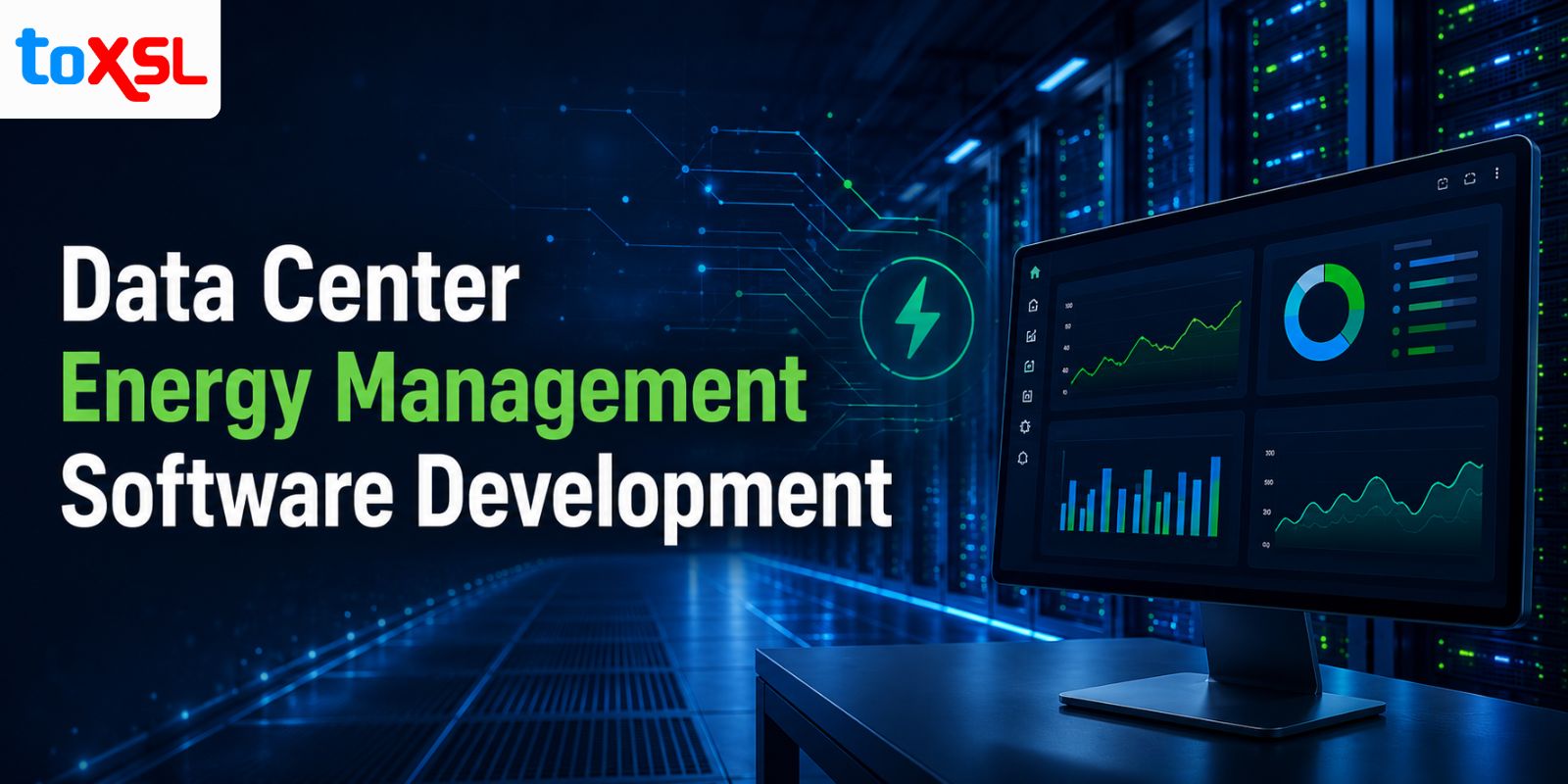
As organizations increasingly rely on cloud computing, AI-driven applications, big data analytics, and high-performance computing, data centers are consuming more energy than ever before. Managing power usage, cooling systems, server efficiency, and operational sustainability has become a major challenge for businesses worldwide. This has created a strong demand for advanced Data Center Energy Management Software capable of monitoring, analyzing, and optimizing energy consumption in real time.
Modern energy management solutions help businesses reduce operational costs, improve infrastructure performance, minimize downtime, and support environmental sustainability goals. These platforms integrate technologies like artificial intelligence, IoT, cloud computing, automation, and predictive analytics to deliver intelligent infrastructure management capabilities.
Key Takeaways
- Data Center Energy Management Software improves efficiency, reduces operational costs, and supports sustainability initiatives.
- AI and IoT technologies are transforming modern data center monitoring and energy optimization capabilities.
- Businesses use energy management platforms for predictive maintenance, power monitoring, and automated infrastructure management.
- Development costs depend on software complexity, integrations, scalability requirements, and technology stack selection.
- Future energy management solutions will heavily rely on automation, analytics, cloud computing, and artificial intelligence.
The Rise of Data Center Energy Management Software
The global expansion of cloud computing, streaming platforms, enterprise software, AI applications, and digital transformation initiatives has significantly increased the number of data centers worldwide. These facilities consume massive amounts of electricity to power servers, cooling systems, storage devices, and networking infrastructure.
Traditional energy management practices are no longer sufficient for modern data centers because they often rely on manual monitoring, outdated reporting methods, and inefficient infrastructure management. Businesses now require intelligent software solutions capable of handling real-time energy monitoring, predictive analytics, and automated optimization.
Modern software platforms allow businesses to collect real-time energy data from sensors, servers, cooling systems, and electrical infrastructure. These insights help organizations identify inefficiencies, reduce downtime, optimize cooling performance, and improve overall energy utilization.
Additionally, enterprises are focusing more on Environmental, Social, and Governance (ESG) initiatives. Energy management software supports sustainability goals by reducing carbon footprints and promoting greener data center operations. As digital infrastructure continues to evolve, energy management software is becoming a core requirement rather than an optional solution.
Why Are Businesses Choosing Data Center Energy Management Software?
Businesses across industries are rapidly adopting Data Center Energy Management Software to improve operational efficiency, reduce energy costs, and achieve better infrastructure control. These solutions provide intelligent monitoring, automation, and analytics that help organizations manage complex data center environments effectively.
1. Real-Time Energy Monitoring
Real-time monitoring enables businesses to track energy consumption across servers, cooling systems, and network devices continuously.
- Detect abnormal energy spikes instantly
- Monitor equipment-level power usage
- Improve infrastructure visibility
- Generate accurate energy reports
2. Reduced Operational Costs
Energy-efficient operations significantly reduce monthly electricity expenses and infrastructure maintenance costs.
- Lower power consumption across systems
- Minimize unnecessary energy waste
- Reduce cooling expenses
- Improve overall resource utilization
3. Improved Cooling Optimization
Cooling systems consume a substantial amount of data center energy. Intelligent software improves cooling efficiency through automation and analytics.
- Optimize airflow management
- Adjust cooling dynamically
- Prevent overheating issues
- Reduce cooling-related energy consumption
4. Enhanced Predictive Maintenance
Predictive maintenance features help businesses identify infrastructure issues before system failures occur.
- Detect equipment abnormalities early
- Reduce unplanned downtime
- Improve asset lifespan
- Enhance operational reliability
5. Sustainability and Compliance
Businesses are under pressure to meet sustainability targets and environmental regulations.
- Track carbon emissions effectively
- Support ESG reporting initiatives
- Improve sustainability performance
- Meet industry compliance standards
6. Centralized Infrastructure Management
Centralized management improves visibility and operational control across multiple data center locations.
- Manage multiple facilities efficiently
- Monitor all systems from one dashboard
- Simplify reporting processes
- Improve decision-making capabilities
Top Data Center Energy Management Software Use Cases
Data Center Energy Management Software is used across multiple operational areas to improve performance, reduce energy waste, and automate infrastructure management.
1. Power Consumption Monitoring
Businesses use energy management platforms to monitor electricity usage across servers, storage systems, and network infrastructure in real time. This helps organizations identify inefficient systems and optimize overall power utilization effectively.
2. Intelligent Cooling Management
Energy management software helps optimize cooling systems by monitoring temperature levels, airflow distribution, and environmental conditions. Automated cooling adjustments reduce energy consumption while maintaining ideal operating temperatures for critical equipment.
3. Predictive Infrastructure Maintenance
AI-powered analytics identify hardware issues before equipment failures occur. Businesses use predictive maintenance features to minimize downtime, reduce repair costs, and improve the lifespan of servers and electrical infrastructure.
4. Carbon Footprint Tracking
Organizations use energy management solutions to monitor carbon emissions and support sustainability initiatives. These platforms generate environmental reports that help businesses achieve ESG and green compliance objectives efficiently.
5. Capacity Planning and Optimization
Data center operators use software analytics to plan future infrastructure requirements, optimize resource allocation, and prevent capacity overloads. This ensures efficient server utilization and better long-term infrastructure scalability.
6. Multi-Location Data Center Management
Large enterprises manage multiple data center facilities through centralized dashboards. This enables businesses to monitor energy usage, infrastructure health, and operational performance across geographically distributed locations seamlessly.
Data Center Energy Management Software Development Process
Developing Data Center Energy Management Software requires a strategic approach focused on scalability, real-time monitoring, automation, analytics, and infrastructure optimization. Since modern data centers handle massive workloads and consume significant amounts of energy, businesses need intelligent software solutions that can improve operational efficiency while reducing energy consumption and maintenance costs.
1. Requirement Analysis
The development process begins with understanding business goals, operational requirements, infrastructure challenges, and energy management objectives. This stage is extremely important because it helps businesses define the software scope, required features, target users, and expected outcomes before development starts. This stage also involves competitor analysis, technology stack selection, workflow mapping, and risk assessment to create a clear development roadmap.
- Identify business objectives and operational goals
- Define software features and functionalities
- Analyze infrastructure management requirements
- Select suitable technologies and frameworks
2. UI/UX Design
A well-designed user interface is essential for Data Center Energy Management Software because operators need quick access to real-time data, performance analytics, and infrastructure alerts. The UI/UX design stage focuses on creating visually appealing, intuitive, and easy-to-use dashboards for seamless infrastructure monitoring and management.
Designers develop responsive dashboards that display energy consumption metrics, cooling system performance, equipment health, server utilization, and operational reports in a user-friendly format. Since data center operators often manage multiple systems simultaneously, the interface must simplify navigation and improve accessibility.
- Design real-time monitoring dashboards
- Develop data visualization and analytics panels
- Improve user navigation and accessibility
- Implement alert and notification systems
- Ensure cross-device compatibility
3. Backend and Frontend Development
The frontend and backend development phase is responsible for building the core functionality of the software. Frontend development focuses on user-facing interfaces, while backend development handles databases, APIs, server communication, real-time processing, and infrastructure management logic.
Developers create scalable architecture capable of handling large volumes of real-time infrastructure data from servers, sensors, cooling systems, and electrical devices. Backend systems must support continuous data collection, processing, analytics generation, and secure communication between connected devices.
- Develop scalable frontend architecture
- Build secure backend infrastructure
- Create APIs and third-party integrations
- Implement real-time data processing systems
4. IoT and Sensor Integration
IoT integration is one of the most critical stages in Data Center Energy Management Software development because sensors and smart devices provide real-time infrastructure data. These IoT devices monitor temperature, humidity, power consumption, airflow, cooling efficiency, server utilization, and equipment performance continuously.
The integration process also includes configuring communication protocols, ensuring device compatibility, managing real-time synchronization, and implementing automated alert systems for abnormal infrastructure conditions.
- Integrate IoT-enabled monitoring devices
- Enable automated real-time data collection
- Configure device communication protocols
- Improve infrastructure visibility and tracking
5. AI and Advanced Analytics Integration
Artificial intelligence and advanced analytics significantly improve the functionality of Data Center Energy Management Software by enabling predictive maintenance, intelligent automation, and real-time optimization. AI-powered systems analyze large amounts of infrastructure data to identify inefficiencies, predict failures, and recommend optimization strategies.
Machine learning algorithms can detect unusual energy consumption patterns, identify equipment abnormalities, optimize cooling operations, and automate workload balancing. These capabilities help businesses reduce downtime, improve operational efficiency, and minimize infrastructure maintenance costs.
- Implement machine learning algorithms
- Enable intelligent energy optimization features
- Create real-time analytics and reporting modules
- Automate operational decision-making processes
6. Security Implementation
Since data centers manage sensitive business information and critical infrastructure systems, cybersecurity is a major priority during software development. This phase focuses on implementing strong security measures to protect infrastructure data, user access, communication networks, and cloud environments.
Developers implement encryption protocols, authentication systems, role-based access controls, multi-factor authentication, firewall protections, and secure APIs to prevent unauthorized access and cyber threats.
- Implement advanced cybersecurity protocols
- Enable secure user authentication systems
- Develop role-based access management
- Protect APIs and communication networks
- Ensure compliance with industry regulations
- Prevent unauthorized infrastructure access
7. Software Testing
Testing and quality assurance are essential to ensure that the software performs efficiently under different operational conditions. Since Data Center Energy Management Software handles critical infrastructure operations, developers must thoroughly test the platform for performance, reliability, scalability, and security.
- Conduct functional and performance testing
- Identify and resolve software bugs
- Test AI and IoT integrations thoroughly
- Ensure scalability under heavy workloads
- Validate security and compliance standards
- Improve overall software reliability
8. Deployment and Ongoing Maintenance
Once testing is completed successfully, the software is deployed within the target data center environment. Deployment involves configuring servers, integrating infrastructure systems, enabling cloud environments, and ensuring seamless software functionality across all operational systems.
After deployment, ongoing maintenance becomes necessary to keep the software updated, secure, and optimized. Maintenance services include performance monitoring, software updates, bug fixes, security enhancements, feature upgrades, and infrastructure optimization.
Data Center Energy Management Software Development Cost
The development cost of Data Center Energy Management Software depends on multiple factors, including software complexity, technology stack, third-party integrations, AI capabilities, cloud infrastructure, and scalability requirements.
A basic energy management platform with limited monitoring features may cost significantly less than a highly advanced enterprise-grade solution with AI-powered analytics, automation, and multi-location management capabilities.
Below is an estimated cost breakdown for Data Center Energy Management Software development:
Development Stage | Estimated Cost |
Requirement Analysis and Planning | $5,000 – $10,000 |
UI/UX Design | $8,000 – $15,000 |
Frontend and Backend Development | $25,000 – $60,000 |
IoT and Sensor Integration | $15,000 – $40,000 |
AI and Analytics Integration | $20,000 – $50,000 |
Cloud Infrastructure Setup | $10,000 – $25,000 |
Security and Compliance Features | $8,000 – $20,000 |
Testing and Quality Assurance | $7,000 – $15,000 |
Deployment and Maintenance | $5,000 – $20,000 |
Estimated Total Cost
- Basic Software: $10,000 – $50,000
- Mid-Level Software: $50,000 – $90,000
- Enterprise-Level Software: $90,000 – $350,000+
The final development cost depends heavily on feature requirements, scalability expectations, customization levels, and integration complexity.
Factors Associated with Data Center Energy Management Software Development Cost
Several factors directly impact the total cost of developing Data Center Energy Management Software. Businesses must evaluate these aspects carefully before starting development.
1. Software Complexity
Advanced software with automation, predictive analytics, AI algorithms, and multi-location infrastructure management requires more development time, technical expertise, and testing processes, significantly increasing the overall software development budget and implementation costs.
2. IoT Device Integration
Integrating sensors, monitoring devices, and IoT infrastructure requires complex API development, hardware communication protocols, and real-time data synchronization systems, which can considerably increase software development and maintenance expenses.
3. AI and Machine Learning Features
Artificial intelligence and machine learning capabilities improve predictive maintenance and optimization but require advanced algorithm development, large datasets, analytics infrastructure, and experienced AI engineers, increasing project development costs significantly.
4. Cloud Infrastructure Requirements
Cloud-based software requires scalable hosting environments, data storage systems, backup solutions, and security configurations, all of which contribute to increased infrastructure and operational expenses during development and deployment.
5. Security and Compliance Standards
Implementing cybersecurity protocols, data encryption, compliance frameworks, and access control systems is essential for protecting sensitive infrastructure data but significantly increases development complexity and testing requirements.
6. Customization and Scalability
Highly customized software tailored for enterprise infrastructure management requires additional development efforts, scalability optimization, and feature enhancements, leading to higher software development and long-term maintenance expenses.
The Future of Data Center Energy Management Software
The future of Data Center Energy Management Software is highly promising as businesses increasingly prioritize sustainability, operational efficiency, and intelligent infrastructure management. Emerging technologies are expected to transform how data centers monitor and optimize energy consumption.
1. AI-Powered Energy Optimization
Artificial intelligence will continue playing a major role in predictive maintenance, automated energy optimization, and intelligent decision-making. AI-powered systems will analyze massive datasets in real time to identify inefficiencies and recommend corrective actions instantly.
2. Increased Adoption of IoT Integration
IoT integration will become more advanced, allowing businesses to monitor infrastructure performance with greater accuracy. Smart sensors and automated systems will improve cooling management, equipment monitoring, and resource allocation.
3. Cloud-Based Energy Management Platforms
Cloud-based energy management platforms will dominate the market due to their scalability, flexibility, and remote accessibility. Businesses will increasingly prefer cloud-native solutions that support multi-location infrastructure management.
4. Digital Twin Technology
Additionally, digital twin technology is expected to revolutionize data center operations. Businesses will use virtual replicas of physical infrastructure to simulate energy usage, predict failures, and optimize performance more effectively. As data centers continue evolving, energy management software will become more intelligent, automated, scalable, and essential for modern enterprise operations.
Conclusion
Data Center Energy Management Software has become an essential solution for businesses seeking operational efficiency, energy optimization, and sustainable infrastructure management. As modern data centers grow increasingly complex, organizations require intelligent software platforms capable of monitoring power consumption, automating infrastructure management, and improving overall performance.
At ToXSL Technologies, we specialize in developing innovative, scalable, and feature-rich software solutions tailored to modern business requirements. Our experienced development team helps organizations build advanced Energy Management Software equipped with AI, IoT, cloud integration, analytics, and automation capabilities.
Whether you are planning to develop a basic monitoring platform or a comprehensive enterprise-grade energy management solution, ToXSL Technologies delivers customized software development services that align with your business objectives, operational requirements, and future scalability goals. Contact us today.
Frequently Asked Questions
1. Why should businesses invest in Data Center Energy Management Software?
Businesses should invest in Data Center Energy Management Software to reduce operational costs, improve infrastructure efficiency, support sustainability initiatives, and gain real-time visibility into energy consumption across data center operations.
- Reduces electricity and cooling expenses
- Improves operational efficiency
- Supports ESG and sustainability goals
- Enhances infrastructure monitoring capabilities
2. How does Data Center Energy Management Software improve business profitability?
The software improves profitability by minimizing energy waste, optimizing infrastructure performance, reducing downtime, and lowering maintenance costs through intelligent monitoring and automation technologies.
- Reduces unnecessary operational expenses
- Prevents costly equipment failures
- Improves resource utilization efficiency
- Enhances long-term infrastructure performance
3. Can small and mid-sized businesses benefit from energy management software?
Yes, small and mid-sized businesses can significantly benefit from energy management software by improving operational control, reducing energy consumption, and achieving better infrastructure scalability without excessive manual management efforts.
4. How does energy management software support business sustainability goals?
Energy management platforms help businesses track carbon emissions, optimize energy usage, and implement environmentally responsible operational practices that align with sustainability and green business objectives.
- Reduces overall carbon footprint
- Supports environmental compliance initiatives
- Promotes energy-efficient operations
- Strengthens brand sustainability reputation
5. What industries benefit the most from Data Center Energy Management Software?
Industries relying heavily on digital infrastructure, cloud computing, and large-scale data processing benefit greatly from advanced energy management software solutions for operational optimization and cost reduction.
- IT and cloud service providers
- Healthcare and financial institutions
- E-commerce and retail businesses
- Telecommunications and media companies