

























The maritime industry, long known for its reliance on traditional systems and manual processes, is now sailing into a new digital era. From fleet management and cargo tracking to predictive maintenance and port automation, technology is redefining how the marine ecosystem operates. As global trade continues to expand and operational efficiency becomes more critical than ever, maritime businesses are increasingly turning toward advanced software solutions to stay competitive.
According to recent market projections, the global marine and marine management software market size is expected to reach USD 5.25 billion by 2030, growing at a steady CAGR of 12.0%. This growth reflects the rising demand for smarter, more connected, and data-driven maritime operations.
However, building such advanced solutions requires more than just hiring a development team - it demands choosing the right maritime software development company that understands the industry’s complexities, compliance standards, and operational challenges.
Key Takeaways
- Hiring the right maritime software development company is a strategic decision that directly impacts operational efficiency and long-term business growth.
- Clearly defining your project requirements and goals is essential to finding a development partner that aligns with your business needs.
- Evaluating technical expertise, industry experience, and past projects helps ensure you choose a reliable and capable company.
- Maritime software development costs vary based on complexity, features, and integrations, but investing in quality delivers better long-term returns.
- Focusing on scalability and security ensures your maritime software remains efficient, future-ready, and adaptable to evolving industry demands.
Understanding Maritime Software Development
Before diving into the hiring process, it is important to understand what maritime software development involves. Maritime software solutions are designed to streamline and optimize operations across the shipping and marine ecosystem. These include:
- Fleet management systems
- Vessel tracking and navigation software
- Port management systems
- Cargo and logistics management platforms
- Maritime ERP solutions
- Compliance and safety management tools
- Predictive maintenance systems
- AI-powered analytics dashboards
These solutions often require integration with IoT devices, GPS systems, AIS (Automatic Identification Systems), and other marine technologies, making the development process highly specialized.
Steps to Hire the Best Maritime Software Development Company
Let us shed some light on the steps required to hire the best maritime software development company:
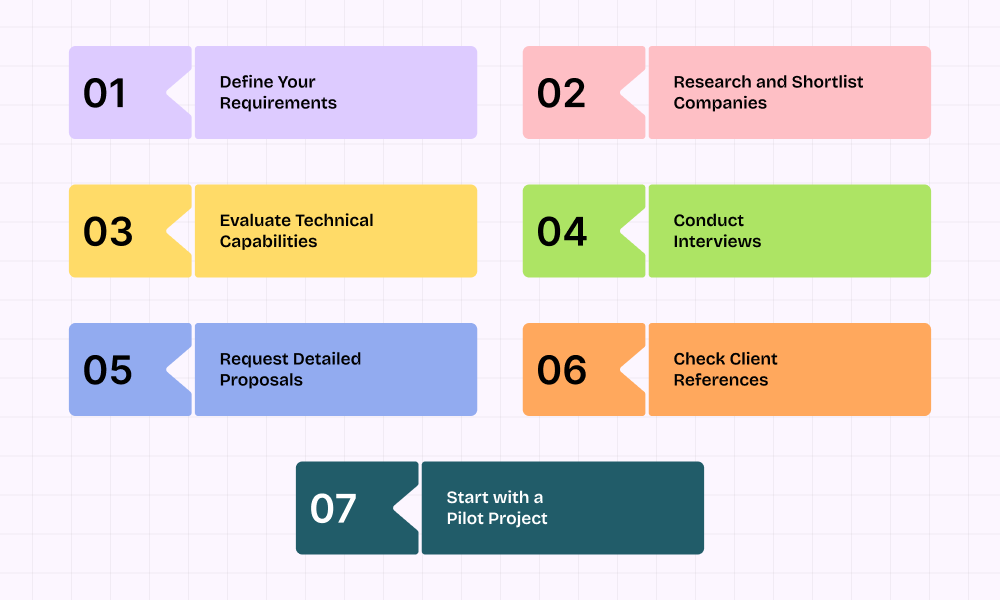
1. Define Your Requirements
Before selecting a maritime software development company, it is crucial to have a clear understanding of your business needs and project goals. Defining your requirements in detail helps avoid confusion during the development process and ensures that both you and the development team are aligned from the beginning. A well-structured requirement plan also minimizes risks, improves communication, and leads to a more efficient and successful project outcome.
- Identify your business objectives and operational challenges
- Determine the type of maritime solution required
- List essential features and functionality expectations
- Outline compliance, security, and integration needs
- Plan for future scalability and system expansion
2. Research and Shortlist Companies
Once your requirements are clear, the next step is to research and identify potential development partners. This stage involves analyzing multiple companies to understand their expertise, experience, and service quality. Shortlisting the right companies ensures that you are working with professionals who understand your industry and can deliver reliable and high-quality solutions tailored to your business needs.
- Explore company websites and service offerings
- Review portfolios and case studies
- Check experience in maritime or similar industries
- Evaluate technical skills and development capabilities
- Shortlist companies that align with your project goals
3. Evaluate Technical Capabilities
Technical expertise plays a vital role in determining the success of your maritime software project. It is important to ensure that the company you choose has strong knowledge of modern technologies and development practices. Evaluating their technical capabilities helps you understand whether they can build secure, scalable, and efficient solutions that meet both current and future business requirements.
- Check expertise in AI, IoT, and cloud technologies
- Evaluate experience with data analytics and automation
- Ensure capability for secure and scalable development
- Review their approach to system integration
- Analyze adaptability to new and evolving technologies
4. Conduct Interviews
Conducting interviews with shortlisted companies allows you to gain deeper insights into their working style, communication approach, and technical understanding. This step is essential to ensure that the company is not only technically sound but also a good fit for your organization’s culture and expectations. Direct interaction helps build trust and clarity before making a final decision.
- Discuss previous projects and relevant experience
- Evaluate communication and collaboration approach
- Understand their development process and workflow
- Ask how they handle challenges and risks
- Assess cultural and professional compatibility
5. Request Detailed Proposals
Requesting detailed proposals from shortlisted companies helps you compare their approach, pricing, and overall understanding of your project. A well-prepared proposal reflects professionalism and gives you a clear idea of how the project will be executed. This step is crucial for making an informed decision and selecting the best development partner.
- Request project scope and feature breakdown
- Review timelines and delivery milestones
- Analyze the proposed technology stack
- Compare cost estimates and pricing models
- Evaluate clarity and understanding of requirements
6. Check Client References
Checking client references is an important step to validate the credibility and reliability of a development company. Feedback from previous clients provides real-world insights into their performance, quality of work, and ability to meet deadlines. This helps you make a more confident and risk-free decision.
- Contact previous clients for honest feedback
- Ask about project delivery timelines
- Evaluate consistency in quality and performance
- Identify strengths and potential concerns
- Verify long-term client satisfaction
7. Start with a Pilot Project
Before committing to a long-term partnership, starting with a pilot project is a smart and strategic approach. It allows you to evaluate the company’s performance on a smaller scale and understand their working process. This step helps reduce risks and ensures that the company meets your expectations before moving forward with a full-scale project.
- Begin with a small, manageable project scope
- Evaluate quality of work and deliverables
- Assess communication and responsiveness
- Monitor adherence to timelines and deadlines
- Build trust before scaling to larger projects
Benefits of Maritime Software Development
Here are the benefits of maritime software development:
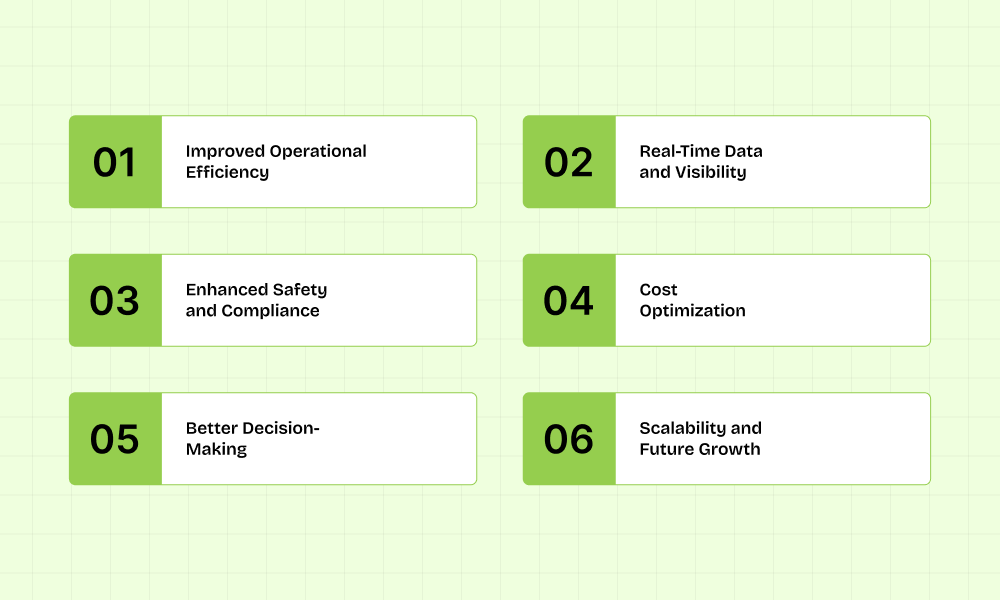
1. Improved Operational Efficiency
Maritime software streamlines complex processes such as fleet management, cargo handling, and route planning. By automating repetitive tasks and centralizing operations, businesses can reduce manual errors, save time, and enhance productivity, ultimately leading to smoother and more efficient maritime operations across various departments and workflows.
2. Real-Time Data and Visibility
With real-time tracking and monitoring capabilities, maritime software provides complete visibility into vessel movements, cargo status, and operational activities. This enables businesses to make informed decisions quickly, respond to changes effectively, and maintain better control over their operations, even in dynamic and unpredictable maritime environments.
3. Enhanced Safety and Compliance
Maritime software helps ensure adherence to international regulations and safety standards by automating compliance processes and maintaining accurate records. It reduces the risk of violations, enhances crew safety, and ensures that all operations are conducted in accordance with legal and environmental requirements, minimizing potential liabilities.
Also Read: How To Develop Fleet Management Software?
4. Cost Optimization
By improving resource utilization and reducing inefficiencies, maritime software helps businesses significantly lower operational costs. Features such as predictive maintenance, fuel optimization, and route planning minimize unnecessary expenses, allowing companies to allocate resources more effectively and achieve better financial performance over time.
5. Better Decision-Making
Advanced analytics and reporting tools provide valuable insights into operational performance, helping businesses identify trends, inefficiencies, and opportunities for improvement. Data-driven decision-making enables organizations to optimize strategies, enhance performance, and stay competitive in an increasingly technology-driven maritime industry.
6. Scalability and Future Growth
Maritime software is designed to support business growth by offering scalable solutions that adapt to increasing operational demands. As companies expand their fleets or enter new markets, the software can accommodate additional users, data, and functionalities, ensuring seamless growth without the need for complete system overhauls.
How Much Does It Cost to Develop Maritime Software?
The cost of developing maritime software can vary significantly depending on the complexity, features, integrations, and technologies involved. A basic solution with limited functionality may cost less, while a highly advanced system with AI, IoT integration, real-time tracking, and predictive analytics will require a larger investment.
Other factors such as customization level, platform (web or mobile), third-party integrations, compliance requirements, and post-development support also influence the overall cost. Additionally, the location and expertise of the development team play a crucial role in determining pricing.
On average, maritime software development can range from moderate to high investment, but it delivers long-term value by improving operational efficiency, reducing costs, and enhancing decision-making.
Software Type | Features Included | Estimated Cost (USD) |
Basic Maritime Software | Basic tracking, simple dashboard, limited integrations | $20,000 – $40,000 |
Mid-Level Maritime Software | Real-time tracking, analytics, API integrations | $40,000 – $80,000 |
Advanced Maritime Software | AI, IoT integration, predictive analytics, automation | $80,000 – $150,000+ |
Enterprise-Grade Maritime Platform | Custom modules, cloud infrastructure, high scalability | $150,000 – $300,000+ |
Factors to Look For While Developing Maritime Software
Here are the factors that businesses need to look for while developing maritime software:
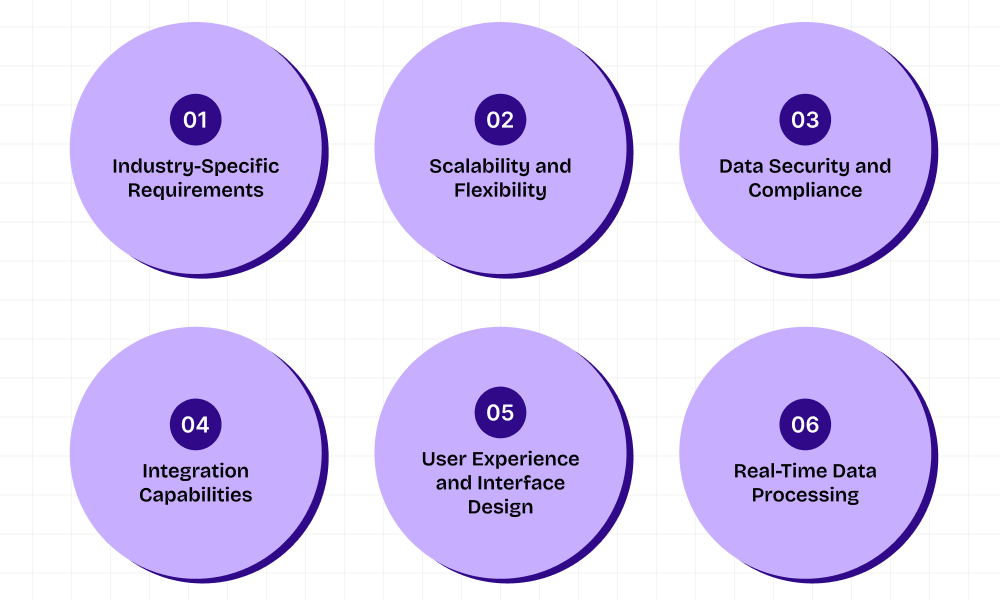
1. Industry-Specific Requirements
Maritime software must be designed with a deep understanding of industry operations such as vessel tracking, fleet management, cargo handling, and port logistics. Considering these requirements ensures the solution aligns with real-world maritime workflows and delivers practical value.
2. Scalability and Flexibility
The software should be built with a scalable architecture that can support growing data, users, and operations. Flexibility is equally important to accommodate changing business needs, new features, and future technological advancements without requiring major system overhauls.
3. Data Security and Compliance
Security is critical in maritime software due to the sensitivity of operational and location data. The system must include robust encryption, secure access controls, and compliance with international maritime regulations and data protection standards to prevent breaches and ensure trust.
4. Integration Capabilities
A well-developed maritime solution should seamlessly integrate with existing systems such as ERP platforms, GPS devices, AIS, and IoT sensors. Smooth integration enables real-time data exchange and enhances operational efficiency without disrupting current workflows.
5. User Experience and Interface Design
The software should feature an intuitive and user-friendly interface that simplifies complex operations. A well-designed user experience reduces the learning curve, improves productivity, and ensures that users can efficiently navigate and utilize all functionalities.
6. Real-Time Data Processing
Real-time data handling is essential for monitoring vessel movements, weather conditions, and cargo status. The software must process and display information instantly, enabling quick decision-making and improving responsiveness in dynamic maritime environments.
Future Trends in Maritime Software Development
In this section, we will learn about the future trends in Maritime software development:
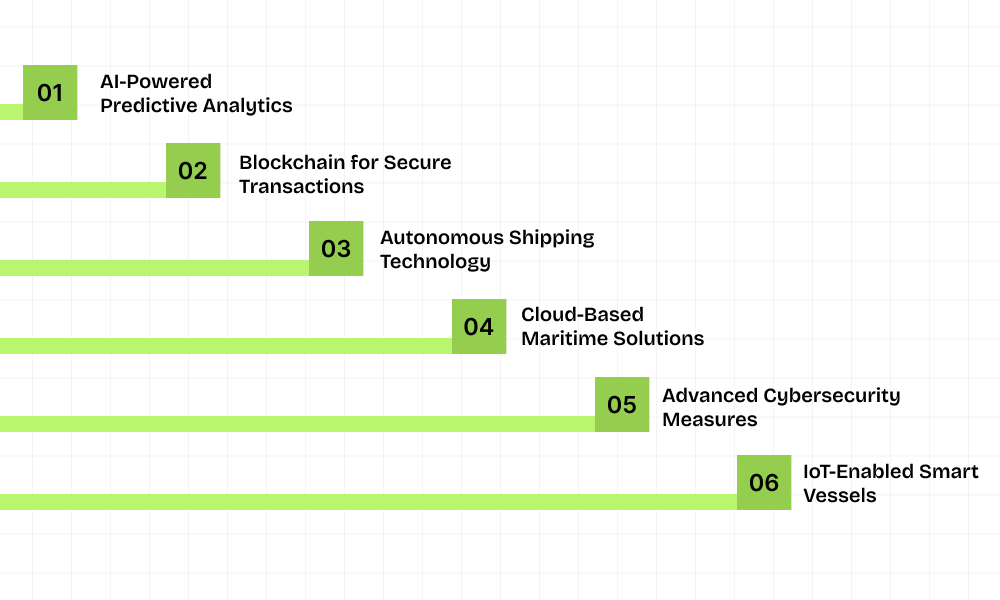
1. AI-Powered Predictive Analytics
Artificial Intelligence is transforming maritime operations by enabling predictive analytics that forecast maintenance needs, optimize routes, and reduce downtime. This helps companies improve efficiency, minimize risks, and make smarter, data-driven decisions.
2. IoT-Enabled Smart Vessels
The integration of IoT devices allows vessels to collect and transmit real-time data on performance, fuel usage, and environmental conditions. This enhances monitoring, improves operational control, and ensures better decision-making across maritime operations.
3. Blockchain for Secure Transactions
Blockchain technology is improving transparency and security in maritime logistics by enabling tamper-proof records, secure transactions, and efficient documentation processes. It reduces fraud risks and enhances trust among stakeholders involved in global trade.
4. Autonomous Shipping Technology
Autonomous vessels are becoming a reality with advancements in AI and automation. These ships can operate with minimal human intervention, improving safety, reducing operational costs, and increasing efficiency in long-distance maritime transportation.
5. Cloud-Based Maritime Solutions
Cloud computing is enabling maritime companies to access data and applications from anywhere, ensuring better collaboration and scalability. It supports real-time updates, reduces infrastructure costs, and allows seamless integration with advanced digital tools.
6. Advanced Cybersecurity Measures
As maritime operations become more digital, cybersecurity is gaining importance. Advanced security measures protect sensitive data, prevent cyber threats, and ensure safe communication between vessels, ports, and management systems across the maritime ecosystem.
Conclusion
At ToXSL Technologies, we understand that the maritime industry demands precision, innovation, and reliability. Hiring the right maritime software development company is not just a technical decision- it is a strategic move that shapes your business’s future.
With years of experience in delivering scalable and customized software solutions, our team focuses on combining industry expertise with cutting-edge technologies. Our goal is to empower maritime businesses with intelligent solutions that streamline operations, enhance efficiency, and drive long-term growth. Whether you need fleet management systems, logistics management software, or AI-powered analytics, we are committed to delivering solutions tailored to your unique needs.
Partner with ToXSL Technologies and navigate your digital transformation journey with confidence. Contact us today.
Frequently Asked Questions
1. Why is maritime software important for businesses?
Maritime software plays a crucial role in improving efficiency, safety, and decision-making across marine operations.
- Real-time vessel tracking
- Improved fleet management
- Enhanced operational efficiency
- Better compliance with regulations
- Data-driven insights
2. How much does it cost to develop maritime software?
The cost depends on several factors such as features, complexity, and technology used.
- Project scope and requirements
- Technology stack
- Integration needs
- Development timeline
- Maintenance and support
3. How long does it take to develop maritime software?
Development time varies based on the complexity and features of the project.
- Project size
- Customization level
- Team expertise
- Integration requirements
- Testing and deployment
4. What technologies are used in maritime software development?
Modern maritime software leverages advanced technologies for better performance and scalability.
- Artificial Intelligence (AI)
- Internet of Things (IoT)
- Cloud computing
- Big data analytics
- GPS and tracking systems
5. What should I look for in a maritime software development company?
Choosing the right company requires careful evaluation of multiple factors.
- Industry experience
- Technical expertise
- Portfolio and case studies
- Client reviews
- Support and maintenance services